
205/50R16 Tire Size in Inches
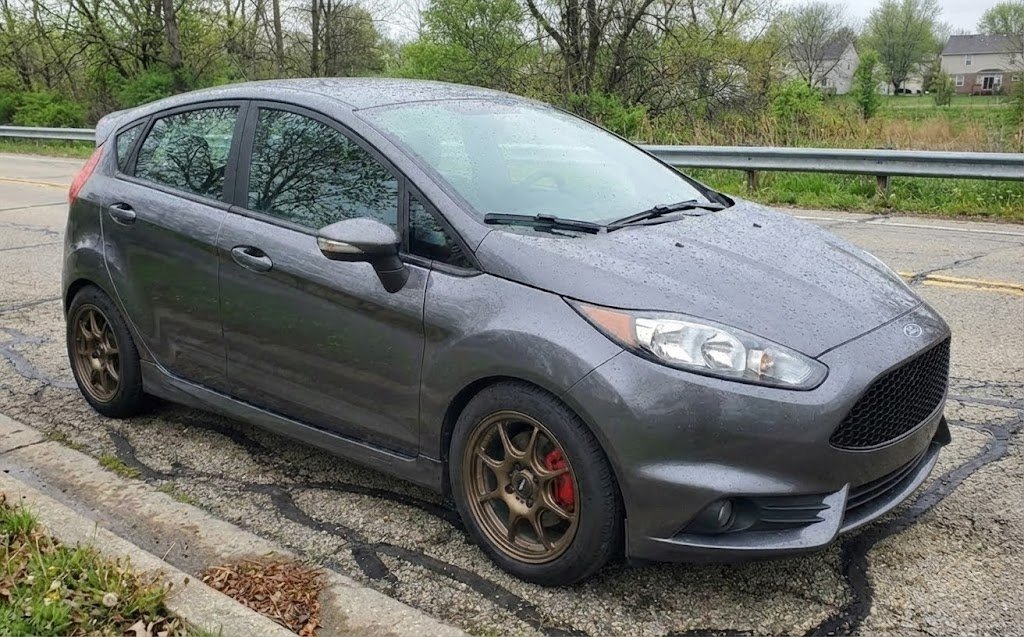
The 205/50R16 tire size is often hailed as the “golden ratio” for enthusiasts. It strikes a delicate balance between a “meaty” aesthetic and sharp, mechanical precision.
Frequently used as a high-performance alternative to standard utility sizes, this specific dimension is a favorite among communities driving agile cars like the Mazda Miata, Honda Fit, and BMW E30.
205/50R16 Table
To understand how this tire sits on your vehicle, we must convert the metric nomenclature into imperial measurements.
| Dimension | Metric (mm) | Imperial (inches) |
| Section Width | 205.00 mm | 8.07 in |
| Sidewall Height | 102.50 mm | 4.04 in |
| Wheel Diameter | 406.40 mm | 16.00 in |
| Total Diameter | 611.40 mm | 24.07 in |
| Circumference | 1,920.78 mm | 75.62 in |
| Revs Per Mile | N/A | 837–864 |
What Do Those Numbers Mean?
Understanding tire sidewall markings is essential for ensuring vehicle safety and performance. Here is the breakdown of the 205/50R16 code:
- 205 (Section Width): This is the width of the tire in millimeters from sidewall to sidewall. At 8.07 inches, it provides a wide footprint that improves grip and braking.
- 50 (Aspect Ratio): This number indicates that the sidewall height is 50% of the section width. A lower aspect ratio (like 50) typically means a stiffer sidewall and better handling but a slightly firmer ride.
- R (Construction): This stands for Radial, which is the standard construction method for almost all modern passenger tires.
- 16 (Wheel Diameter): This indicates that the tire is designed to fit a wheel (rim) with a 16-inch diameter.
Short Summery
The 205/50R16 tire size has an overall diameter of approximately 24.07 inches, a section width of 8.07 inches, and a sidewall height of 4.04 inches. Designed to fit a 16-inch rim, this specific tire size is a popular “plus-zero” upgrade that balances a wide contact patch with a sporty, low-profile aesthetic.
- Overall Diameter: 24.07 inches
- Section Width: 8.07 inches
- Sidewall Height: 4.04 inches
- Rim Diameter: 16 inches
- Circumference: 75.62 inches
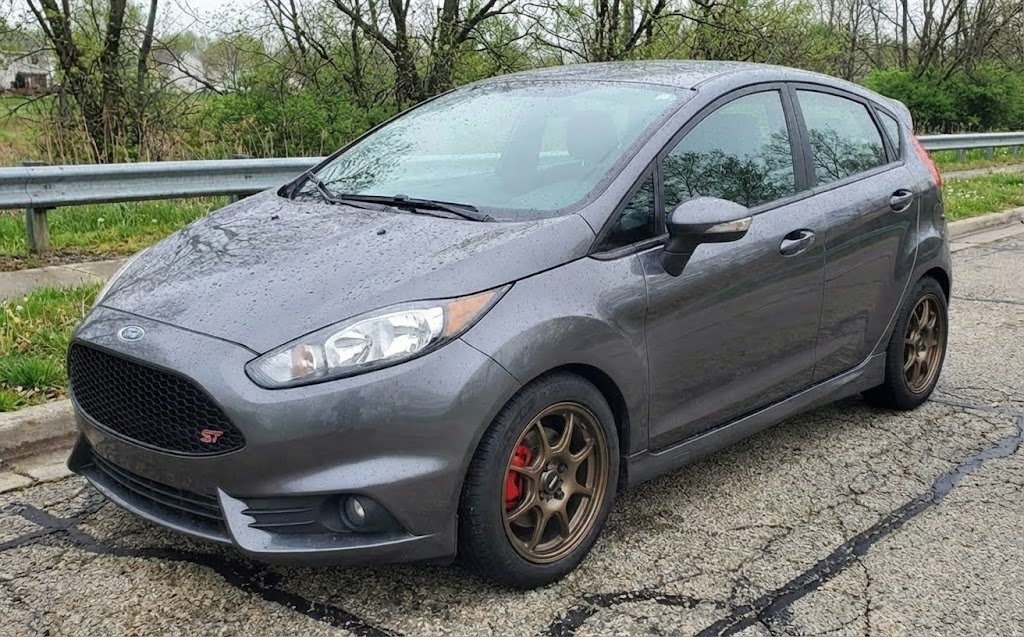
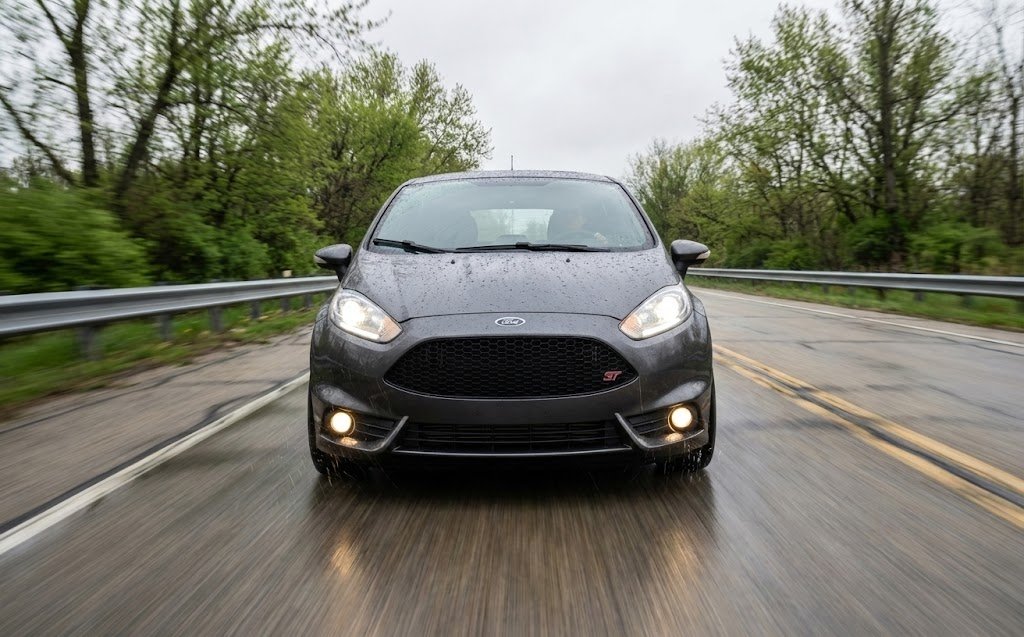
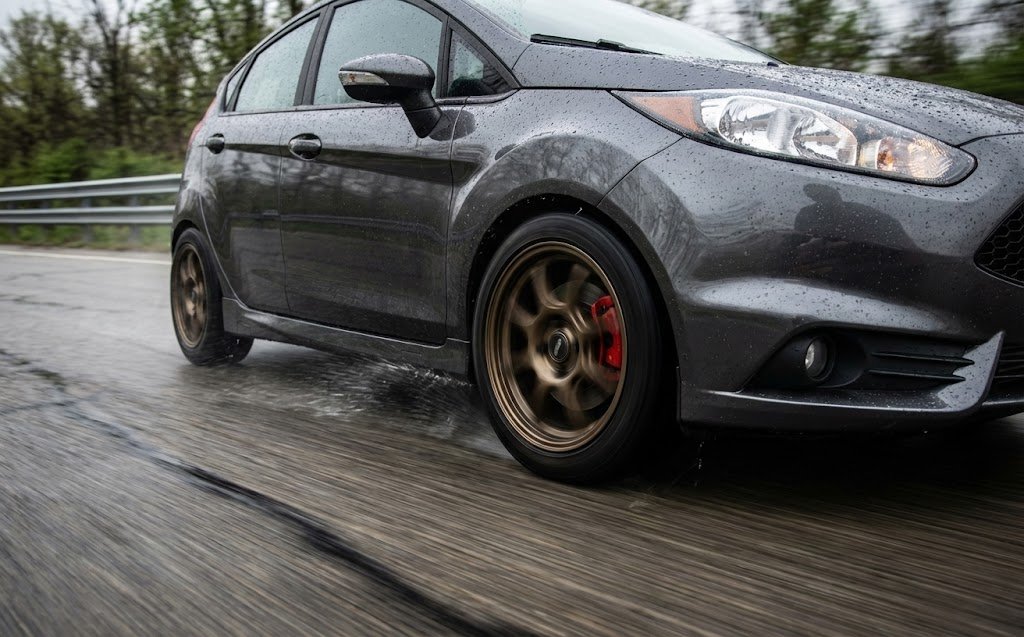
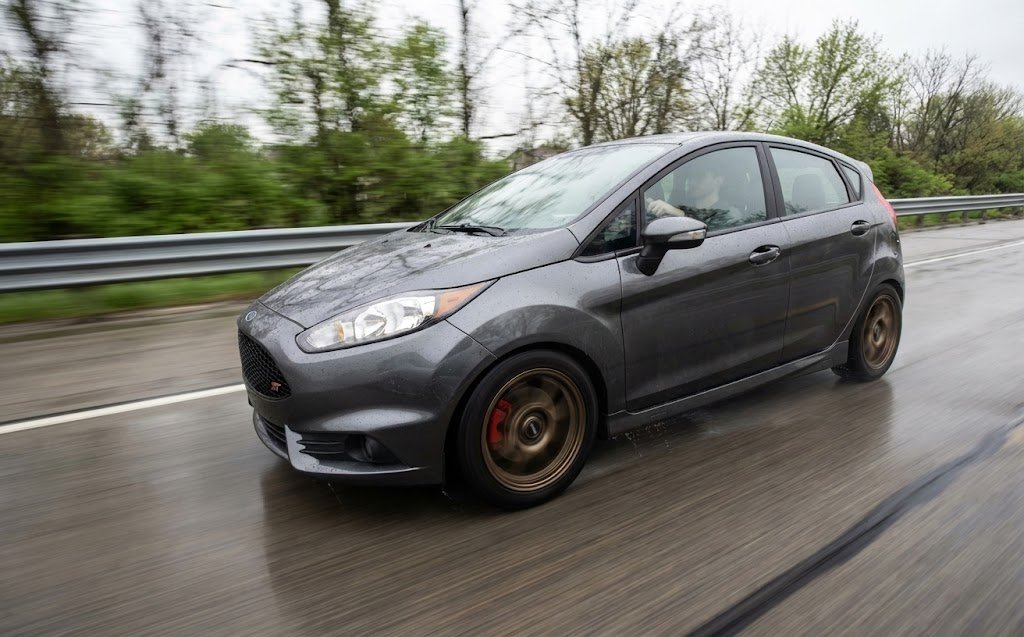
These tires are commonly used on sporty compact cars and enthusiast hatchbacks (such as the Mazda Miata, Honda Fit, and Ford Fiesta ST), providing increased lateral stability, sharper steering response, and improved cornering grip compared to standard utility tires.
1. Will 205/50R16 fit on the rim currently holding 205/55R16?
Yes. Both tires fit a 16-inch wheel. However, the 50-series tire has a shorter sidewall, meaning your overall tire diameter will decrease by about 0.8 inches.
2. Will it rub on the inner fender liner at full steering lock?
Generally, no. Because the 205/50R16 is shorter than the standard 205/55R16, it actually provides more clearance. Rubbing only becomes an issue if you use aggressive wheel spacers or have a significantly lowered suspension.
3. How much will my speedometer be off if I downsize to a 50 aspect ratio?
Your speedometer will read 3.3% faster than your actual speed. For example, when your dash shows 60 MPH, you are actually traveling approximately 58 MPH.
4. Is 205/50R16 a rare size that will be hard to find in an emergency?
It is less common than the 205/55R16. While major tire shops usually stock it, you might find fewer “off-the-shelf” options at big-box retailers like Walmart or Costco compared to more utility-focused sizes.
5. Why is this size more expensive than the common 205/55R16?
Economy of scale. The 205/55R16 is produced in massive quantities for standard sedans. The 205/50R16 is a “specialty” performance size, leading to slightly higher manufacturing and stocking costs.
6. What is the best summer performance tire in this size?
The Continental ExtremeContact DWS06+ and Yokohama Advan Fleva are highly recommended for their balance of wet-weather grip and acoustic comfort.
7. Does a 205 width provide better stability in crosswinds than a 185?
Yes. The wider footprint (8.07 inches vs. 7.28 inches) provides a more “planted” feel, which reduces the vehicle’s tendency to wander during high winds on the highway.
8. Am I losing performance due to “stretch” on a 16×8 wheel?
On a 16×8 inch wheel, a 205/50R16 will have a very mild stretch. This actually increases sidewall stiffness, which many autocross drivers prefer for better steering response.
9. Will the odometer error lead to a significant mileage discrepancy?
Over 1,000 miles, your odometer will record roughly 1,033 miles. While minor, this “optimistic” reading can technically shorten your factory warranty period over several years.
10. Do I need to roll my fenders to fit these?
For most stock vehicles (like the Honda Fit or Mazda Miata), no. However, if you are running a low offset (ET30 or lower) or a very wide 8-inch rim, fender rolling may be required to prevent “lip” contact.
11. Is it worth buying “budget” or “Chinesium” tires?
If you are on a strict budget, brands like Sumitomo or Kumho offer great value. We generally recommend avoiding unbranded “Chinesium” tires, as the performance delta in wet braking can be a safety hazard.
12. Will a different tire size affect my insurance coverage?
In some regions, adjusters can cite “improper vehicle specification” to complicate claims. It is always best to check if your local regulations allow for a 3% variance in tire diameter (which this size usually falls within).
13. Does this size improve fuel economy?
Usually, no. The wider contact patch increases rolling resistance. Owners often report a drop of 1–3 MPG depending on the stickiness of the tire compound.
14. Is there enough clearance for the front strut with an ET30 offset?
With an ET30 offset, the wheel sits further out. This usually clears the strut easily but brings the tire closer to the fender edge.
15. Will the car feel more “sluggish”?
Actually, the opposite. Because the 205/50R16 is shorter than a 55-series, it effectively shortens your gearing, which can make the car feel more “peppy” and responsive during low-speed acceleration.
The Expert Review
Based on our research and the common inquiries from the enthusiast community, the 205/50R16 is a transformative modification for small-chassis vehicles.
Performance vs. Practicality:
If you are moving from a 185/55R16 (common on the Honda Fit), the jump to a 205/50R16 offers a massive upgrade in braking confidence and cornering stability. You are trading a bit of fuel economy for a car that feels significantly more secure at highway speeds.
The “Fitment” Sweet Spot:
For those running 16×7 or 16×7.5 wheels, this is arguably the best size available. It avoids the “balloon” look of a 55-series while providing enough sidewall (4.04 inches) to protect your rims from potholes—a major complaint from drivers who try to run 40 or 45-series tires.
If you value driving dynamics and a “flush” look, the 205/50R16 is a top-tier choice. Just be prepared for a slight increase in road noise as the tires age and a minor discrepancy in your speedometer readings. For the daily commuter who prioritizes cost and longevity above all else, the standard 205/55R16 remains the more logical, albeit boring, choice.
Pro Tip: If you choose this size, consider an alignment with a slight bit of negative camber (around -1.0 to -1.5 degrees) to truly unlock the handling potential of the wider 205mm footprint.