
Tire Size 255/35r18 in Inches
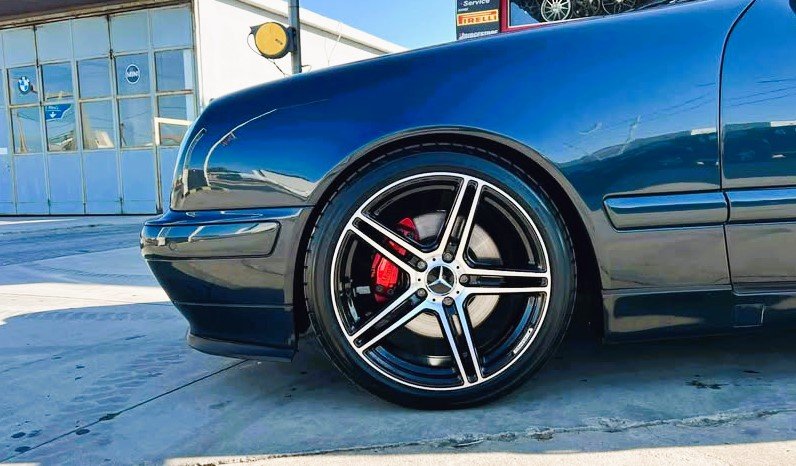
The 255/35R18 tire size represents a sophisticated intersection of performance engineering and aesthetic modification within the modern automotive enthusiast community.
As a wide-section, low-profile radial tire, it is frequently sought after by drivers looking to maximize mechanical grip while maintaining a specific wheel-to-fender relationship.
What Do Those Numbers Mean?
Understanding the tire code is the first step in determining if this size is right for your build. Here is the breakdown of the 255/35R18 designation:
- 255 (Section Width): This indicates the nominal width of the tire in millimeters, measured from sidewall to sidewall. In this case, the tire is approximately 255mm (or 10.04 inches) wide. It determines the potential contact patch size and lateral grip capabilities.
- 35 (Aspect Ratio): This number represents the height of the sidewall as a percentage of the section width. It is not a direct measurement in millimeters. For this tire, the sidewall height is 35% of 255mm, resulting in a low profile that reduces sidewall flex during cornering but offers less cushion against road irregularities.
- R (Construction): The “R” stands for Radial. This describes the internal construction of the tire, where the ply cords radiate from the center of the tire. This is the industry standard for passenger vehicles, offering a balance of durability, grip, and comfort.
- 18 (Rim Diameter): This is the diameter of the wheel (rim) in inches that the tire is designed to fit. A 255/35R18 tire can strictly only be mounted on an 18-inch wheel.

A 255/35R18 tire has an overall diameter of approximately 25.02 inches, a section width of 10.04 inches, and a sidewall height of 3.51 inches. This low-profile performance tire is designed specifically to mount on an 18-inch wheel rim.
- Overall Diameter: 25.02 inches (635.5 mm)
- Section Width: 10.04 inches (255 mm)
- Sidewall Height: 3.51 inches (89.25 mm)
- Rim Diameter: 18 inches (457.2 mm)
- Circumference: 78.60 inches (1,996.5 mm)
- Revolutions Per Mile: ~806
These tires are commonly used on sports cars and performance sedans (such as the Subaru WRX, BMW 3-Series, and Toyota GR86), providing maximum contact patch width for improved cornering grip and handling stability.
1. What is the actual size of a 255/35R18 tire in inches?
To convert the metric specifications, we use the standard conversion factor of 25.4mm per inch. The width is $\frac{255}{25.4} \approx 10.04$ inches. The total diameter is derived by doubling the sidewall height and adding the rim diameter:
2. How tall is this tire compared to stock?
The 255/35R18 sits at approximately 25.02 inches tall. This is a common comparison point for owners of German cars (BMW, VW) where the stock size is often 225/40R18 (~25.09 inches). The difference is roughly 0.07 inches, making it an excellent candidate for maintaining factory rolling diameters.
3. Will this tire size affect my speedometer?
Yes, but marginally. Because the 255/35R18 is slightly shorter than many standard 40-series tires, your speedometer will read slightly higher than your actual speed. However, usually, the variance is minimal (often less than 1%) and is rarely enough to require recalibration.
4. Can I fit a 255/35R18 on an 8-inch wide wheel?
Technically yes, but it is not recommended. This setup results in a “pinched” fitment, where the sidewalls are forced inward. This causes a “doughy” steering feel, lateral instability during high-G cornering, and potential crowning of the tread which leads to uneven wear.
5. Is a 9.5-inch wheel better for this tire size?
Yes. A 9.5-inch wheel is widely considered the “performance stretch” sweet spot for a 255/35 tire. It slightly pre-loads the sidewall, which track enthusiasts claim provides sharper turn-in and more immediate steering feedback compared to a narrower rim.
6. Will this tire rub on a Ford Focus ST or Veloster N?
Rubbing is a legitimate risk. On the Focus ST, a 255 width fits but may decrease handling crispness if the wheel isn’t wide enough. On the Veloster N (e.g., 18×8.5 +45 rims), owners often switch to this size to fix the “lack of feel” in 40-series tires, but careful attention to offset is required to avoid fender contact.
7. Does it fit the Subaru BRZ / Toyota 86 without modification?
It depends on your suspension. The “gold standard” wheel for this chassis is 18×9.5 +38. With this setup, a 255/35R18 will typically hit the stock suspension spring perch. Aftermarket coilovers are usually required to provide inner clearance.
8. What about the VW Golf GTI or Golf R?
For the MK7/MK8 platforms, this is a popular track upgrade. However, an offset around ET45 is crucial. Many enthusiasts recommend the “fender screw mod” (removing a specific screw inside the wheel well) to prevent the tire from catching the liner under heavy compression.
9. How does 255/35R18 compare to 245/40R18?
The 245/40R18 is narrower (~9.6″) but taller (~25.7″). The 245/40 offers better ride quality due to the taller sidewall (“more meat”), whereas the 255/35 offers maximum contact patch width and a slightly shorter effective gear ratio for quicker acceleration off the line.
10. Should I choose 235/40R18 instead for safety?
If you want a “hassle-free” fitment, the 235/40 is safer. A 235/40 on an 8.5-inch wheel offers better sidewall support than a pinched 255/35 on the same wheel. If you cannot upgrade your wheels to at least 9 inches wide, the 235/40 is often the superior handling choice.
11. Is this size safe for BMW xDrive (AWD) systems?
Yes, provided you adhere to the 1% rule. If running a staggered setup, a 225/40R18 front and 255/35R18 rear creates a diameter variance of only ~0.4%. This is well within the safety threshold for xDrive transfer cases and will not trigger DSC or ABS errors.
12. Can I run a “Square” setup (255 all around)?
On many RWD platforms, yes. However, on BMW and Audi platforms, the front wheel well is often tighter than the rear. You may need wheel spacers (e.g., 5mm-12mm) to push the wheel out and prevent the tire from rubbing against the front suspension strut.
13. Do all tire brands fit the same in this size?
No. “Wide-running” tires like the Bridgestone RE71R or generic semi-slicks often have square shoulders that make them physically wider than the nominal 255mm. A rounded-shoulder tire (like many Continental all-seasons) is less likely to rub than a square-shoulder track tire.
14. Will I need to roll my fenders?
If your wheel offset is aggressive (lower than +35 on many compact cars), fender rolling is likely required. This involves folding the inner metal lip of the fender flat against the body to prevent it from slicing the tire sidewall during bumps.
15. Are wheel spacers necessary?
Spacers are often used to dial in the “flush” look or clear suspension components. For a 255/35R18 setup on a stock-body Lexus IS or similar, users often employ 15mm front and 20mm rear spacers. Always use hub-centric spacers to ensure safety and prevent vibration.
Reviewing the 255/35R18
After analyzing the landscape of inquiries and technical data, the 255/35R18 stands out as a “threshold” tire. It marks the point where a driver decides to prioritize raw mechanical grip and stance over passive comfort.
The “Meaty” Aesthetic vs. Engineering Reality
There is a distinct visual appeal to this tire size. It fills the wheel well horizontally, providing that coveted “meaty” look that implies power and purpose. However, our research highlights a critical engineering caveat: Wheel width is paramount.
Many negative experiences—complaints of “sloppy” steering or vague feedback—stem from users attempting to mount this wide tire on narrow 8.0 or 8.5-inch factory wheels. When paired correctly with a 9.0 or 9.5-inch wheel, the dynamic performance matches the aggressive looks, offering sharper turn-in and massive lateral grip.
The Verdict
If you are willing to navigate the potential requirements of rolling fenders, installing coilovers, or calculating offset variances, the 255/35R18 is an exceptional upgrade. It offers a tangible performance benefit for track days and autocross while delivering the aggressive aesthetic that defines modern car culture. However, for the casual daily driver unwilling to modify suspension or alignment, a standard 235/40 or 245/40 remains the “safer” plug-and-play alternative.