
Tire Size 255/80R17 vs 265/70R17
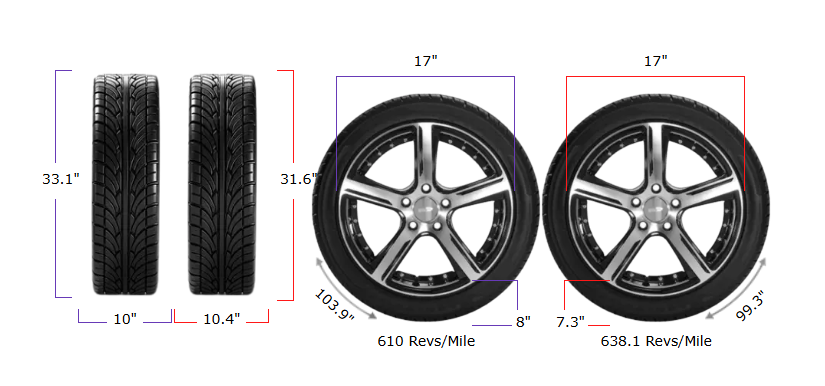
The primary difference between these tire sizes is that the 255/80R17 is 1.45 inches taller, while the 265/70R17 is 0.39 inches wider. The 255/80R17 is a narrower 33.1-inch tire (often called a “pizza cutter”) designed to maximize off-road ground clearance. In contrast, the 265/70R17 is a standard 31.6-inch tire that offers a wider footprint and easily fits factory suspensions.
Key Differences at a Glance:
- Overall Diameter (Height): The 255/80R17 measures 33.06 inches tall. The 265/70R17 measures 31.61 inches tall.
- Section Width: The 265/70R17 provides a slightly wider contact patch at 10.43 inches, compared to the 255/80R17 at 10.04 inches.
- Ground Clearance: Upgrading to the taller 255/80R17 will increase your vehicle’s ground clearance by exactly 0.73 inches.
- Vehicle Fitment: The 265/70R17 fits most stock mid-size trucks without modifications. Because the 255/80R17 is 4.6% larger, it exceeds the standard 3% size-swap rule and typically requires a suspension lift to prevent fender rubbing.
- Terrain Performance: The narrower 255/80R17 cuts down through deep snow and mud to find hard mechanical traction. The wider 265/70R17 provides better dry-road stability and highway handling.
255/80R17 vs 265/70R17 Table
| Parameter | 255/80R17 | 265/70R17 | Difference |
|---|---|---|---|
| Tire Height | 33.1″ | 31.6″ | -1.5″ |
| Section Width | 10″ | 10.4″ | +0.4″ |
| Circumference | 103.9″ | 99.3″ | -4.6″ |
| Sidewall Height | 8″ | 7.3″ | -0.7″ |
| Revolutions | 610 | 638.1 | +28.1 |
| Rim Size | 17″ | 17″ | 0″ |
Real-World Breakdown
Hey man, pull up a stool here in the garage and hand me that wrench. I see you standing there staring at your rig, completely stressing over whether you should stick with the standard 265/70R17 tires or make the massive jump to the 255/80R17 setup.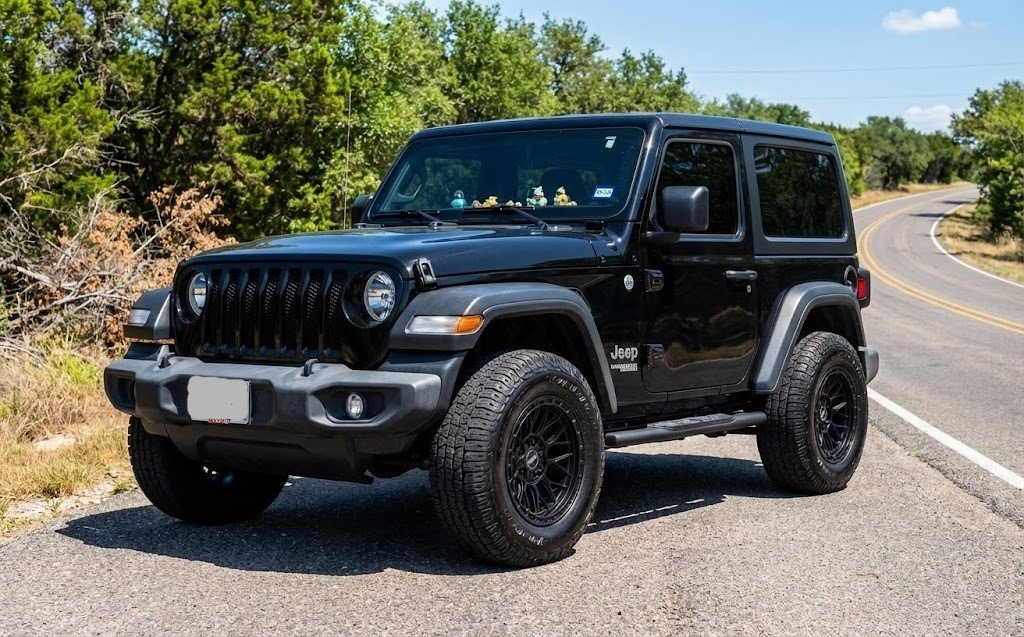
Choosing the wrong rubber means you’re stuck with a ride you absolutely hate for the next 50,000 miles. You obviously want a beefier stance, better ground clearance, and a vehicle that can handle sloppy trails without completely ruining your daily commute.
Most guys just hit the internet forums, but those places are filled with confusing math, millimeter conversions, and percentages that don’t explain what the tires feel like from the driver’s seat.
We’re going to skip the boring textbook math today. I’m going to walk you through exactly what happens when you bolt these two very different sizes onto your wheels. We’ll focus strictly on the physical realities of how your vehicle fits, drives, and feels. Sit back, and we’ll break down the real-world differences so you can make the right call.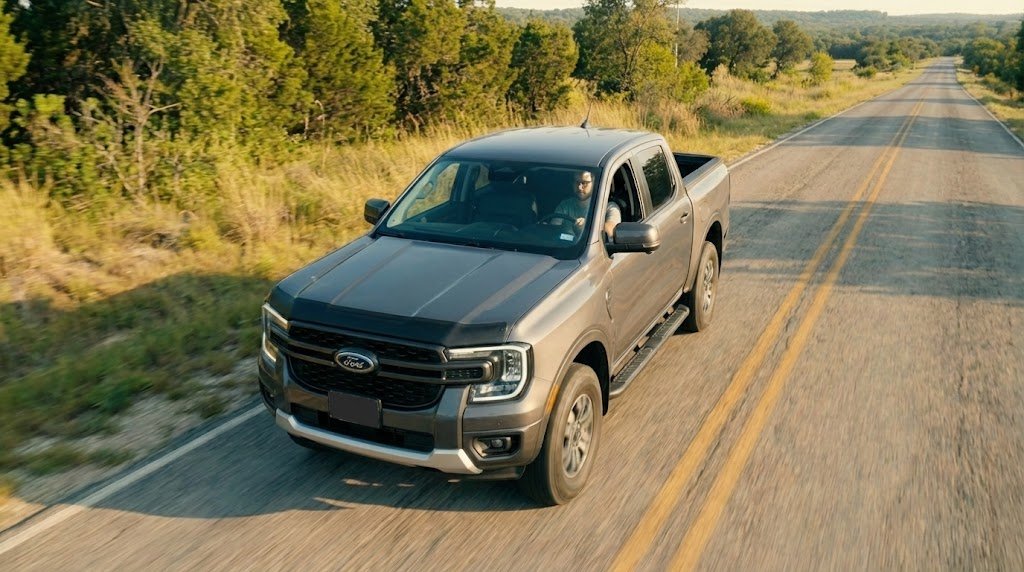
Size Difference & Fitment
Look, here’s the deal on the physical size of these two tires. The 265/70R17 is basically your safe factory upgrade. It’s right around 31.6 inches tall and fairly wide. The 255/80R17 is a totally different beast. That’s a full-blown 33-inch tire, known in the off-road community as a “pizza cutter” because it’s incredibly tall but slightly narrower than your 265s.
When we talk about fitment, that massive extra height is what makes things sketchy. The 3% rule is a common guideline used to judge whether a replacement tire size is an acceptable substitute. It means the overall tire diameter of the new tire should be within ±3% of the original tire’s overall diameter. If it exceed the ±3% then its advice able to don’t interchange.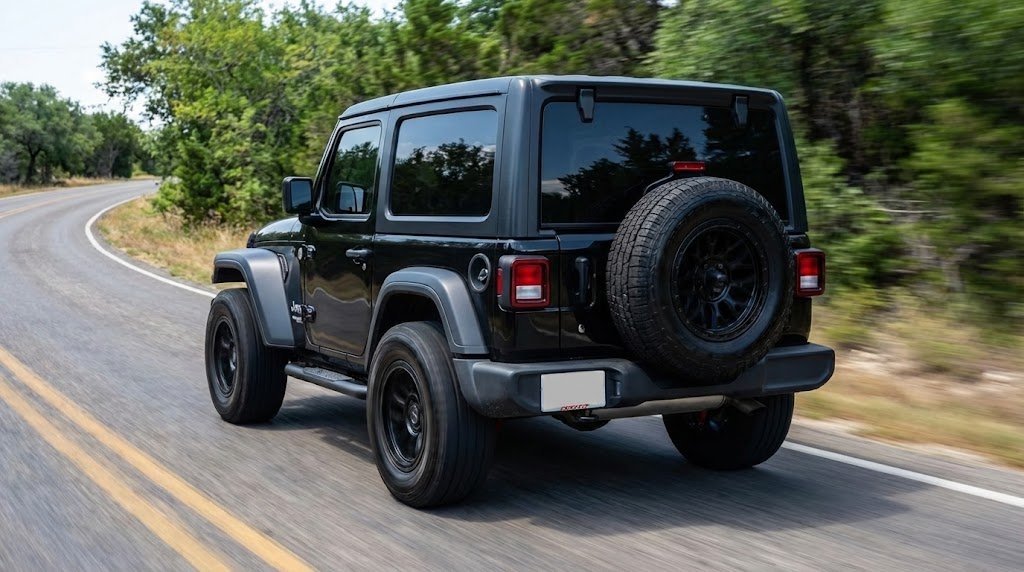
Because the 255 blows past that rule with a 4.6% height increase, you’re taking a risk. If you still want to interchange with ±3% exceed size then you will likely experience physical rubbing against the suspension or fenders, requiring expensive modifications like lift kits or body trimming to make the vehicle drivable.
The only easy part about this swap is the wheels. If the rim size are same then don’t need to check the rim width range. If rim size are not same then always confirm that the new tire’s recommended rim width range includes your current wheel width mush have common overlap to interchange. Since both tires use a 17-inch wheel, they’ll mount onto your current rims.
For appearance, a wider tire can give a vehicle a more aggressive and “sporty” look by filling out the wheel wells more. People often search to see before-and-after pictures or get opinions on how the different sizes will look on their specific car model. The 265 gives you that wide style. But stuffing those towering 33-inch 255s under your fenders gives you a massive vertical stance that absolutely looks fire, no cap.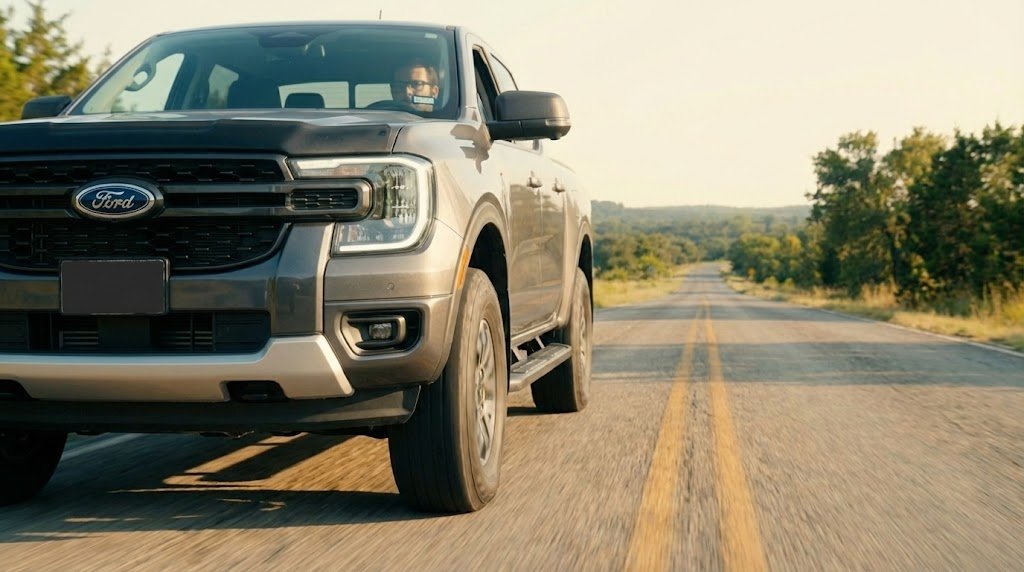
Speedometer Difference
To be totally straight with you, bolting a bigger tire onto your truck completely messes with your vehicle’s brain. Your truck calculates your speed by counting how many times your factory tire completes a full circle. Because the 255/80R17 is nearly an inch and a half taller than the 265/70R17, it covers way more ground per single rotation.
If the diameter increases, the speedometer will read slower than your actual speed; if it decreases, the speedometer will read faster than your actual speed. For example, if you slap the taller 255s on and your dashboard tells you that you’re going exactly 20 mph, you’re actually doing nearly 21 mph (20.92 mph).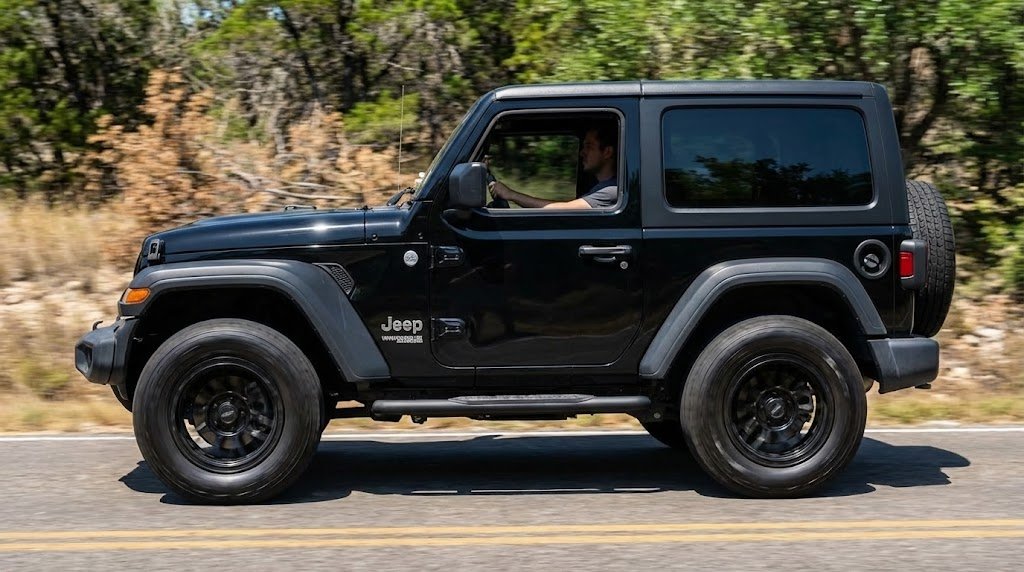
By the time your dash says 25 mph, you’re doing over 26 mph (26.15 mph). Out on the highway, that gap gets wider, and you could catch a speeding ticket while thinking you’re perfectly legal.
Most importantly speedo meter can be recalibrate if needed. So don’t worry about it, recalibrate based on the decrease or increase data while changing the tire size in local shop. The mechanic will plug a scanner into your dashboard, update your truck’s software for the new tire, and your numbers will be dead-on accurate again.
Ride Comfort & Road Noise
Honestly, I gotta tell you, swapping to a tire this tall completely changes how your truck absorbs a nasty pothole. Comfort comes from the sidewall, the rubber sitting between the hard rim and the road.
Decreasing the sidewall height can lead to a harsher ride as there is less cushioning effect. However, it can also give the vehicle a sportier and more aggressive look.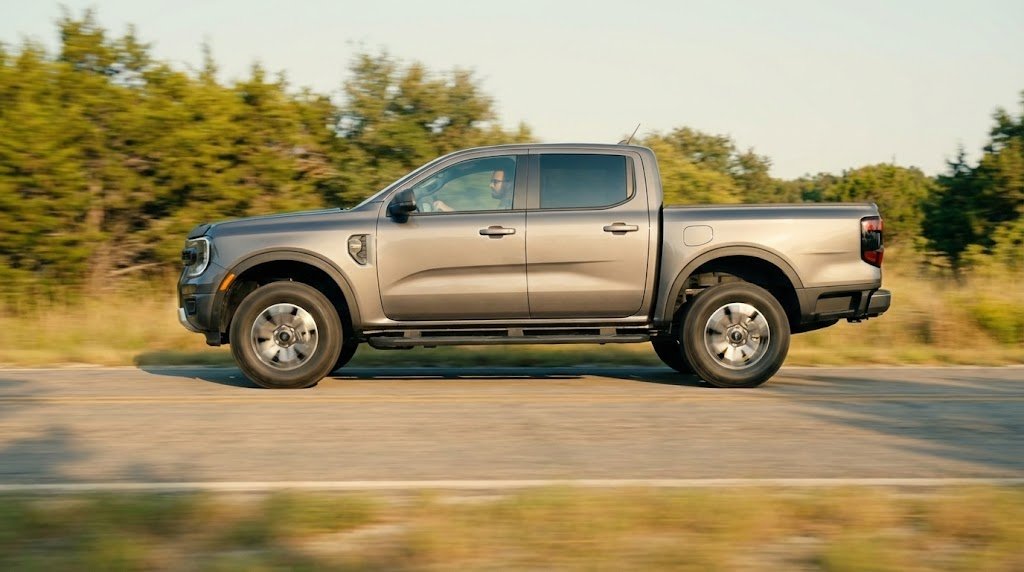
Since we’re doing the exact opposite by upgrading to the tall 255/80R17, you get a massive jump in rubber. You go from 7.3 inches on the 265 up to over 8 inches of sidewall. That tall rubber acts like a plush cushion for your suspension.
Comfort and road noise are often secondary topics in tire size discussions, but when mentioned, they are usually described in strong, experience-based terms. You’ll feel that pillowy ride immediately in your bones.
But increased comfort may come with slightly reduced steering sharpness or handling responsiveness. All that tall, squishy rubber flexes when you jerk the steering wheel, making the truck feel a bit softer. Plus, those aggressive off-road treads will inevitably add more humming road noise inside the cabin.
Fuel Economy & Performance
I’ll be honest, bolting huge heavy rubber to your truck is going to cost you money at the gas pump. You can’t add massive 33-inch tires to your rig and expect it to sip fuel like a commuter car.
Fuel economy discussions around tire changes usually fall into two categories: physical impact and measurement effects. From a physics perspective, wider or heavier tires can slightly increase rolling resistance and aerodynamic drag, which may reduce fuel efficiency—though in most cases, the real-world difference is small, often around 1–3%.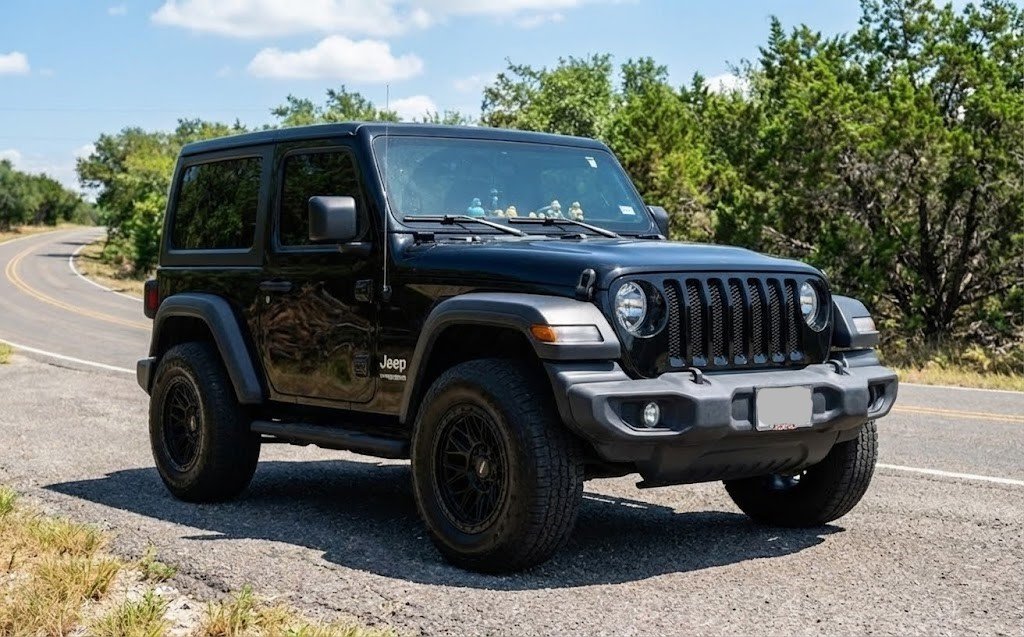
The 255/80R17 is an incredibly heavy, tall tire heavily reinforced for off-roading. Your engine and transmission literally have to work harder to get all that weight rolling from a dead stop at a traffic light.
Because of this extra mechanical strain, you’ll definitely notice your truck feels a tiny bit sluggish when you mash the gas pedal. If saving cash on gas and keeping your factory acceleration is what you care about most, stick with the lighter 265/70R17 setup to keep your efficiency up.
Handling & Braking
Honestly, I gotta be straight with you on this one. A lot of guys get the physics of tire grip completely backward. They think a bigger tire always equals more traction everywhere. But it is important to understand that wider does not automatically mean better in all conditions.
A wider tire may provide improved dry-road stability and a more planted feel at highway speeds, but this advantage can diminish in heavy rain or deep snow where narrower tires often perform better by concentrating vehicle weight over a smaller contact patch.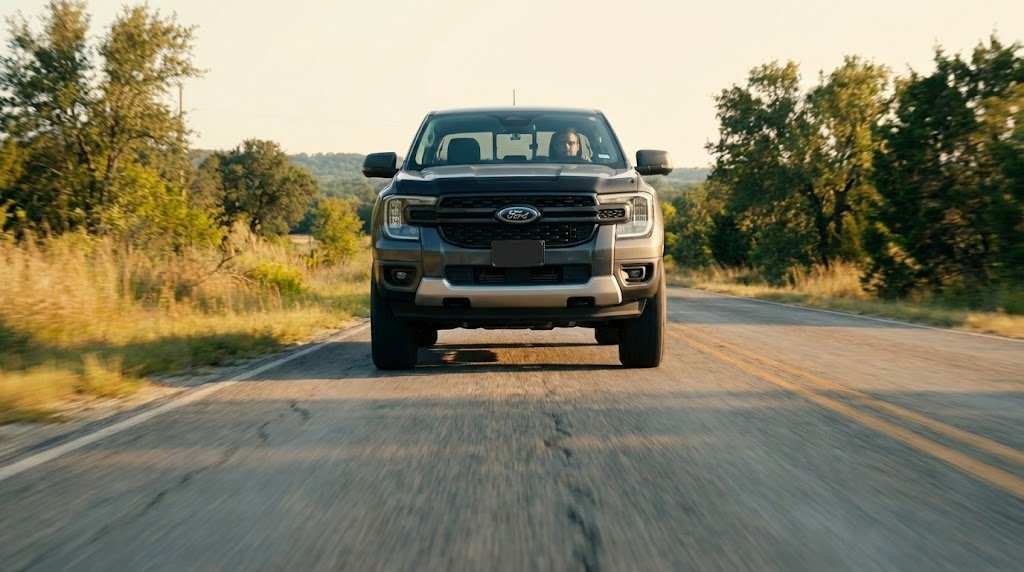
Because the 265/70R17 is wider, you have more rubber touching the pavement side-to-side, which keeps you glued down when taking tight highway ramps.
When the weather gets nasty, however, the narrower 255/80R17 is absolutely legit. In heavy rain or slush, a wide tire wants to act like a water ski and float on top of the mess, causing you to dangerously hydroplane.
The narrower 255 works exactly like a heavy blade. It slices straight down through the water and deep snow to grab the hard pavement hidden underneath. If you deal with brutal winters or sloppy muddy trails, the narrower tire will keep your steering totally dialed in.
Ultimately, choosing between sizes should be based on driving conditions, climate, and desired ride characteristics, as wider tires may slightly improve dry handling while narrower options often maintain better balance in wet or winter environments.
Final Verdict
Wrapping it all up, deciding between the standard 265/70R17 and the towering 255/80R17 comes down to what you actually do with your rig on a daily basis. The 265 is the smart, safe choice. It bolts right up without any expensive clearance modifications, keeps your handling perfectly planted on dry roads, and gives you a wide appearance without wrecking your wallet at the gas pump.
But if you want a massive vertical stance that eats through heavy snow and mud like a champion, and you don’t mind lifting the truck to make it happen, the tall and skinny 255/80R17 is an epic upgrade. Grab your wrench, make your pick, and get your truck out on the road.