
205/50R15 Tire Size in Inches
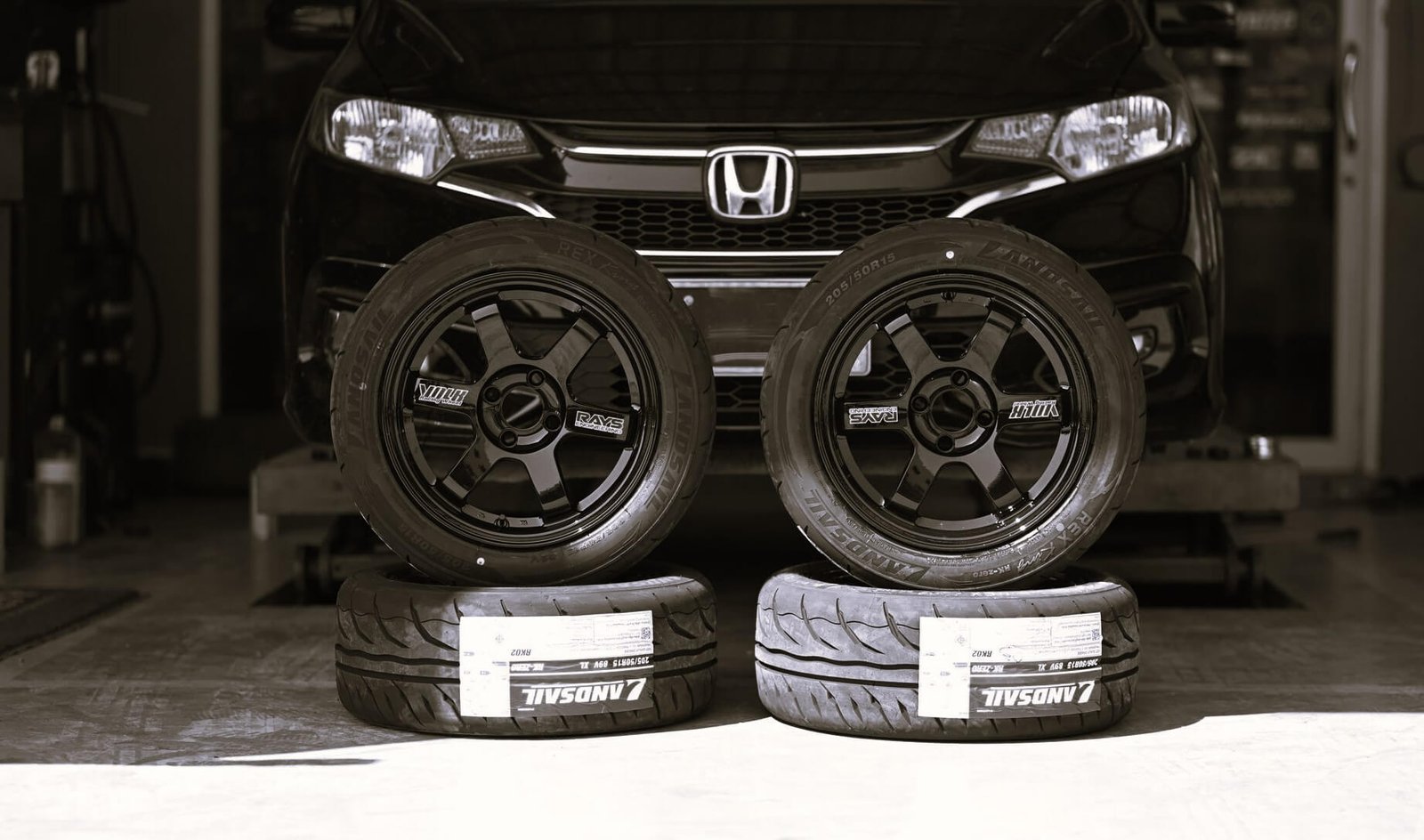
In the world of automotive performance, few specifications carry as much weight as the 205/50R15. While modern cars continue to balloon in size—pushing wheel diameters toward 20 inches and beyond.
The 205/50R15 remains the “Goldilocks” size for lightweight, analog legends like the Mazda Miata, BMW E30, and Honda Civic.
What Does Those Numbers Mean?
Understanding tire nomenclature is the first step toward a perfect fitment. Here is a breakdown of the 205/50R15 code:
- 205 (Section Width): This is the width of the tire from sidewall to sidewall in millimeters. A 205mm width translates to approximately 8.07 inches.
- 50 (Aspect Ratio): This number indicates that the sidewall height is 50% of the section width.
- Calculation: $205 \times 0.50 = 102.5 \text{ mm}$ (approx. 4.04 inches).
- R (Construction): This stands for Radial, the standard internal construction for almost all modern passenger tires.
- 15 (Wheel Diameter): This is the diameter of the wheel (rim) in inches that the tire is designed to fit.
Key Takeaway: The total diameter of a 205/50R15 tire is the wheel diameter (15″) plus two sidewalls (4.04″ x 2), totaling 23.08 inches.
Short Summery
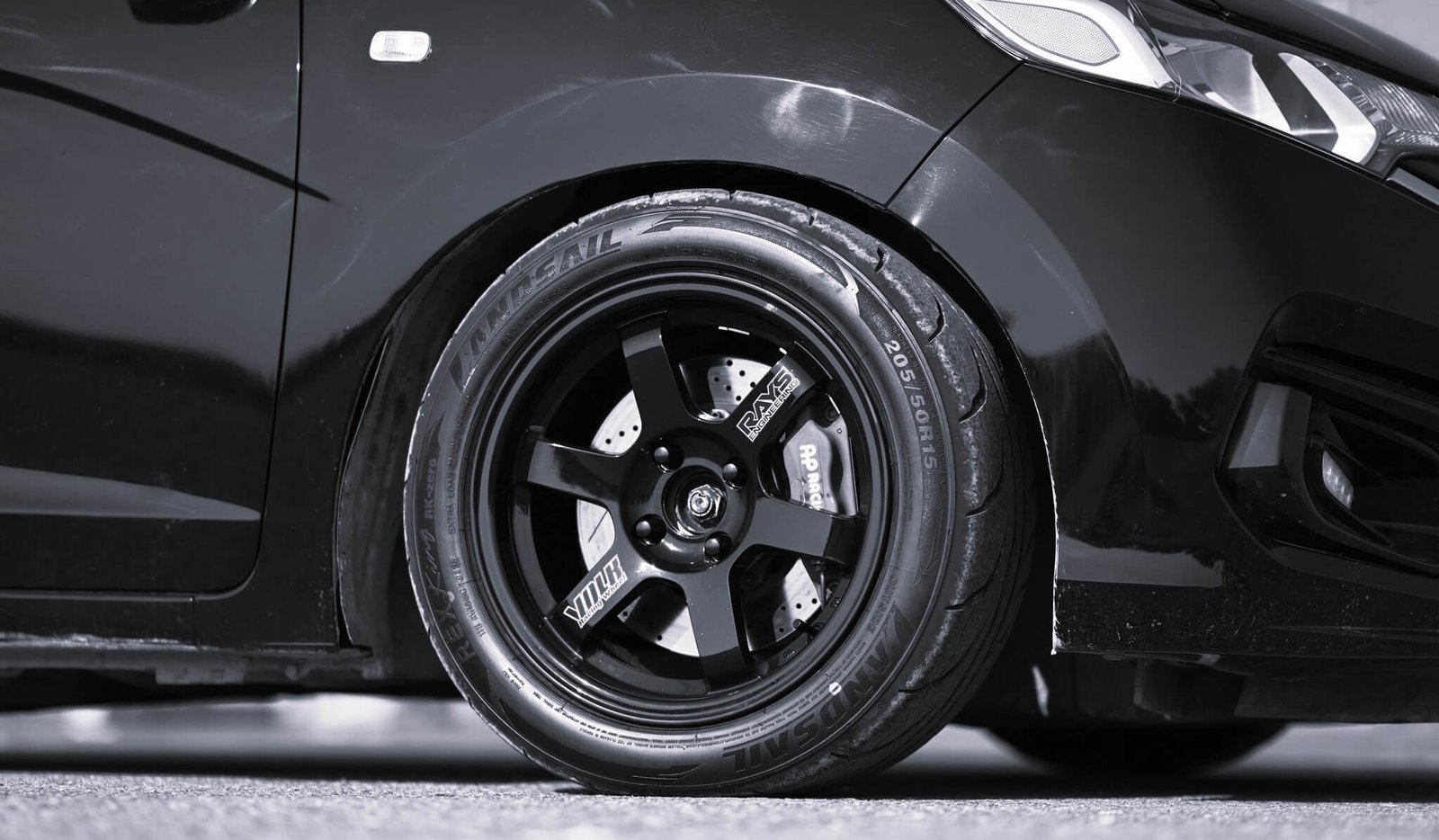
For the 205/50R15 tire, the overall diameter is approximately 23.1 inches, with a section width of 8.1 inches and a sidewall height of 4.0 inches. This performance-oriented size is designed specifically for 15-inch rims, offering a shorter, wider profile that enhances mechanical grip and acceleration.
- Overall Diameter: 23.08 inches
- Section Width: 8.07 inches
- Sidewall Height: 4.04 inches
- Rim Diameter: 15 inches
- Circumference: 72.51 inches
These tires are commonly used on compact sport cars and lightweight enthusiast platforms (such as the Mazda Miata, Honda Civic, and BMW E30), providing sharper steering response, increased lateral stability, and improved gearing for faster acceleration.
Frequently Asked Questions
Based on extensive research into automotive communities and search trends, here are the most common inquiries regarding this tire size.
1. Will 205/50R15 rub on a lowered car?
It depends on your wheel offset. On most Miatas or Civics, a +35mm offset is the “safe” limit. If you go lower (e.g., +20mm or +25mm), you will likely need to roll your fender lips to avoid rubbing during suspension compression.
2. Is 205/50R15 too wide for a 6-inch wide wheel?
While it can fit, it is not ideal. A 205mm tire on a 6J wheel will look “bulky” and have a “mushy” steering feel because the sidewalls aren’t properly supported. A 7-inch or 8-inch wide wheel is much better.
3. What is the best rim width for 205/50R15?
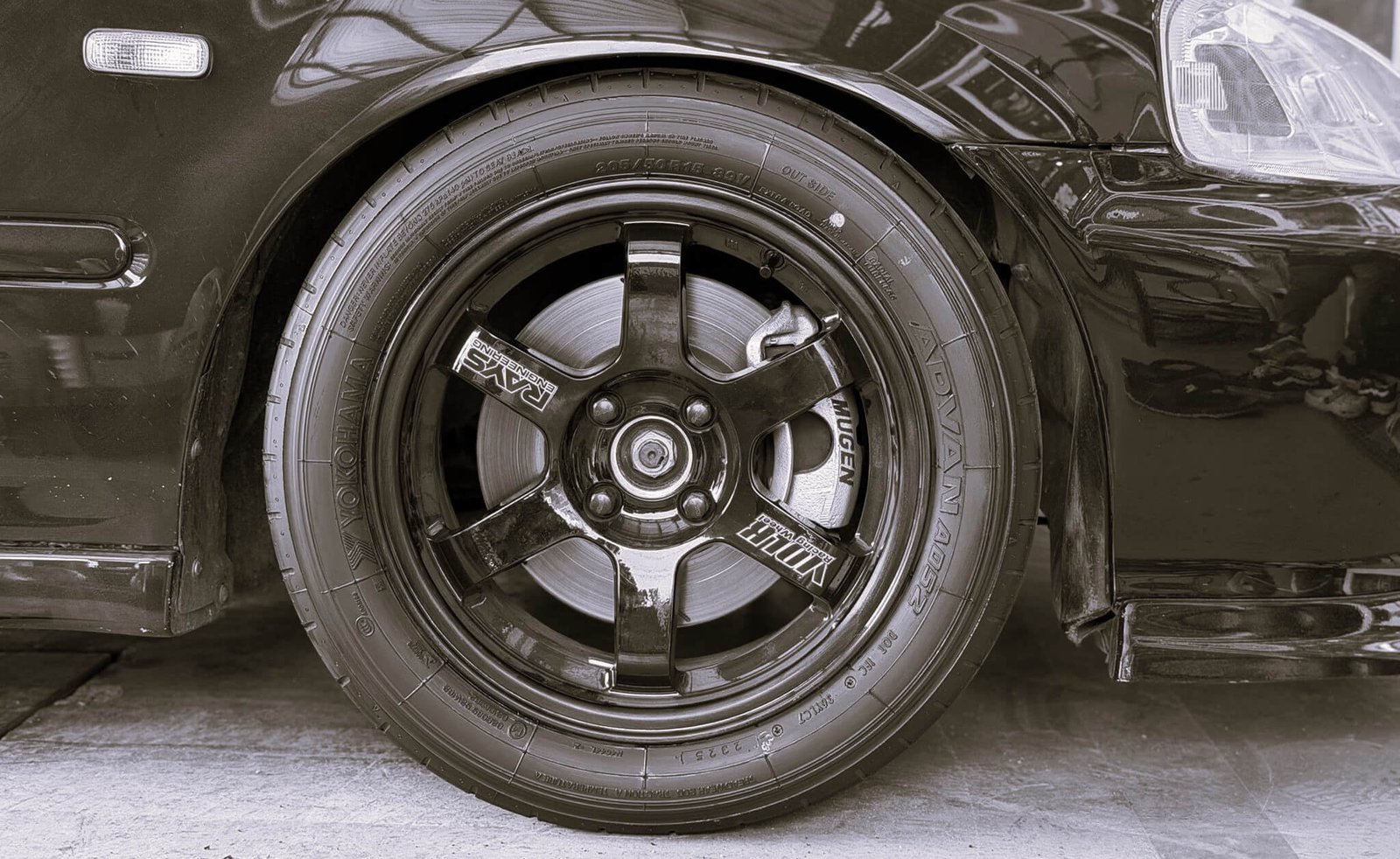
For street driving, a 15×7 wheel is perfect. For track use, many enthusiasts prefer a 15×8. The 8-inch rim “stretches” the tire slightly, which stiffens the sidewall and improves steering precision.
4. How much will my speedometer be off?
If you are coming from a taller factory size like 185/60R15, your speedometer will read about 2.8% faster than you are actually going. At 60 mph on the dash, you are likely doing 58.3 mph.
5. Does this tire size improve acceleration?
Yes. Because the 205/50R15 is shorter than many “standard” 15-inch tires, it effectively shortens your gear ratio. This provides a “peppier” feel and quicker off-the-line acceleration at the expense of slightly higher RPMs on the highway.
6. Are there any good all-season tires in 205/50R15?
Options are shrinking. The Nitto Neo Gen is one of the few remaining ultra-high-performance all-season tires in this size, specifically designed to handle the negative camber often found on lowered cars.
7. What is a “200 Treadwear” tire?
This refers to a category of “Extreme Performance Summer” tires (like the Falken RT660 or Hankook RS4). They offer massive grip for track days but wear out quickly and can be noisy for daily driving.
8. Is the Continental ExtremeContact Sport 02 discontinued in this size?
There have been widespread reports of this tire being phased out in 15-inch sizes. This is a blow to the community, as it was considered the best “all-rounder” for wet and dry street performance.
9. Can I use 205/50R15 for winter driving?
It is not recommended. This size is almost exclusively populated by summer performance compounds which turn hard and lose grip in temperatures below 40°F (4°C).
10. Does 205/50R15 reduce ground clearance?
Yes. Compared to a 185/60R15, you will lose about 0.33 inches of ground clearance. If your car is already heavily lowered, you’ll need to be more careful with speed bumps.
11. 195/50 vs 205/50: Which is better?
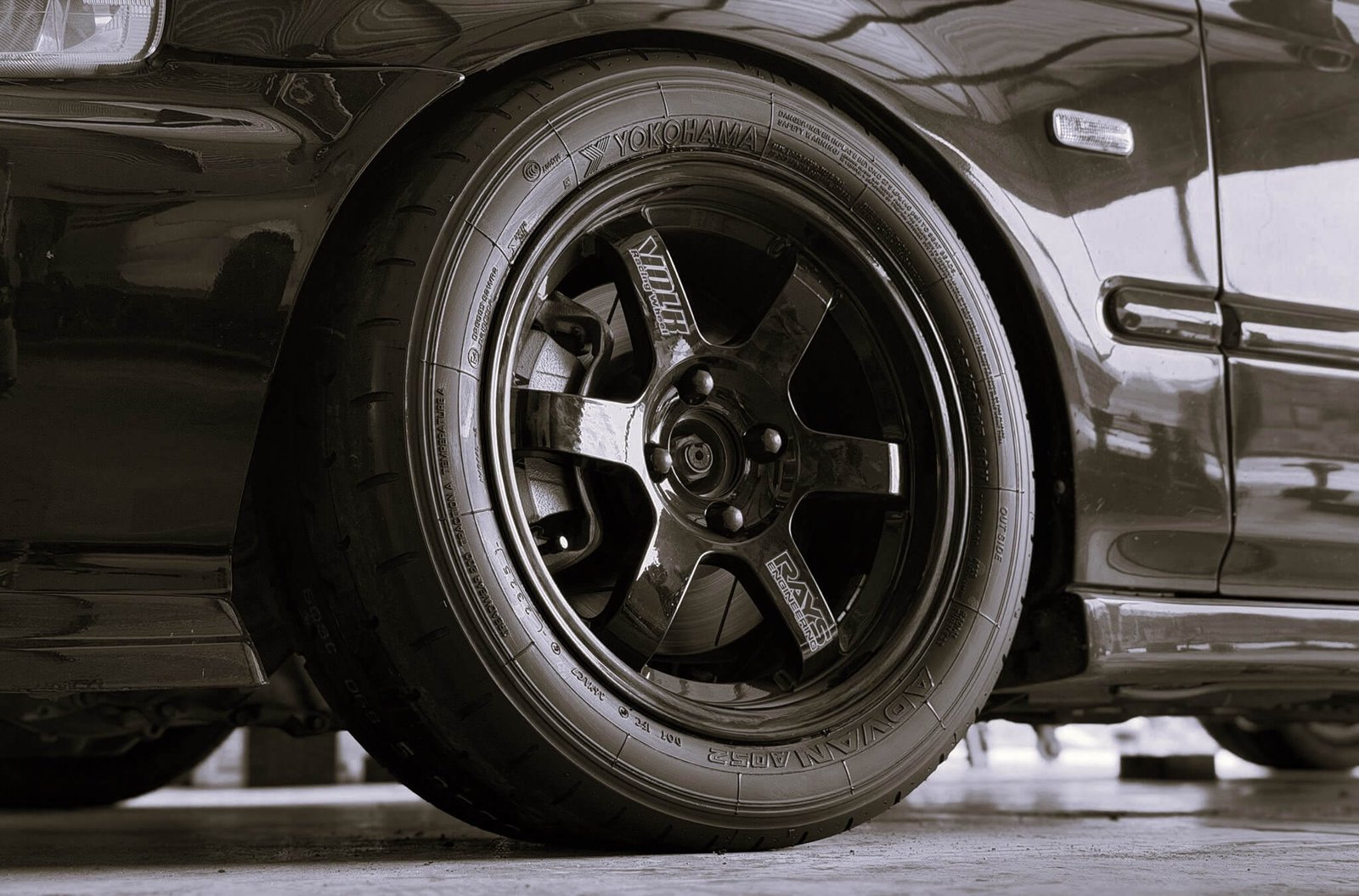
The 195/50 is slightly shorter and lighter, often preferred for low-horsepower cars (like a stock NA Miata) to keep unsprung weight down. The 205/50 offers more ultimate grip and a “meatier” look.
12. Will these tires fit a Honda Fit?
Yes, the 205/50R15 is a very popular “up-size” for the Honda Fit. It provides a significant boost in handling over the skinny factory tires, though it may require a +41mm offset to avoid rubbing.
13. What is the “tire stretch” concern?
Stretching a 205 tire onto a 9-inch rim is possible but can be dangerous for street use, as it increases the risk of the tire debeading (popping off the rim) during hard impacts or low pressure.
14. Are budget brands like Accelera or Federal any good?
For daily driving or “drifting on a budget,” they are acceptable. However, they lack the heat management and ultimate consistency of premium brands like Bridgestone or Yokohama.
15. Why is this size so popular on the BMW E30?
E30 owners use it to access high-performance rubber. While 205/55R15 is the “correct” factory size, very few performance tires are made in that profile, forcing enthusiasts to “drop down” to the 50-series.
The Verdict on 205/50R15
After reviewing the technical data and community feedback, our observation is that the 205/50R15 is the definitive “Performance Meta” for small cars.
While it presents minor challenges—such as a small speedometer error and a slight reduction in ground clearance—the trade-offs are overwhelmingly positive for the enthusiast. By moving to an 8.07-inch width, you gain a massive increase in lateral grip that transforms the handling of 90s-era chassis.
The “Warning Label”: The market is shifting. We are seeing a “bifurcation” where you can only find extremely soft track tires (200TW) or cheap economy tires. T
he middle ground—the high-quality, long-lasting street tire—is disappearing. If you find a set of high-quality summer tires like the Yokohama Advan V701 or remaining Continental stock, buy them now.