
Tire Size 205/55R17 in Inches
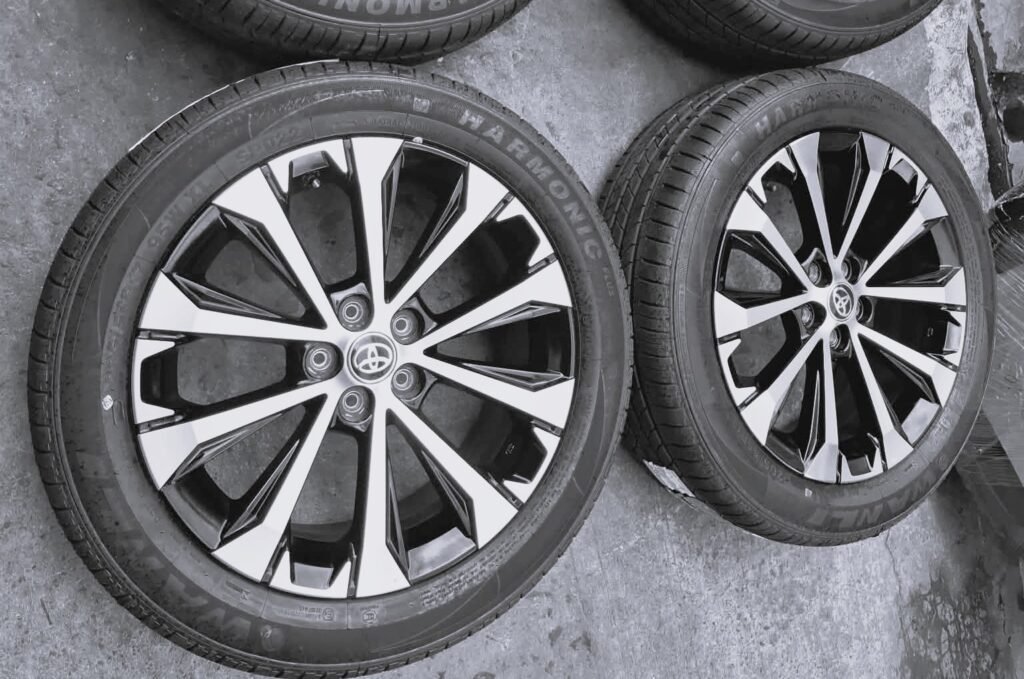
The 205/55R17 tire size has emerged as a critical junction in the automotive world, bridging the gap between efficiency-focused engineering and the aesthetic demands of modern vehicles.
It serves as a benchmark specification for a wide array of sedans, crossovers, and hybrids, balancing low rolling resistance with the visual appeal of a 17-inch wheel.
What Do Those Numbers Mean?
Understanding the sidewall markings is the first step in decoding tire geometry. Here is the breakdown of 205/55R17 converted into imperial measurements:
205 (Section Width): This number indicates the width of the tire from sidewall to sidewall in millimeters.
- In Inches: 205mm ≈ 8.07 inches. This relatively narrow profile aids in aerodynamics and fuel efficiency.
55 (Aspect Ratio): This denotes that the sidewall height is 55% of the section width. It is not a direct measurement of length but a percentage.
- In Inches: 55% of 205mm ≈ 4.44 inches. This substantial sidewall provides a “cushion” against road hazards like potholes.
R (Radial Construction): The “R” stands for Radial, referring to the internal construction where cord plies are arranged at 90 degrees to the direction of travel. It does not stand for “Rim.”
17 (Rim Diameter): This is the diameter of the wheel (rim) that the tire is designed to fit, measured in inches.
- Total Assembly Height: To get the full height of the tire, you add the rim diameter (17″) to the top and bottom sidewalls (4.44″ x 2).
- Total Diameter: 17 + 8.88 = 25.88 inches.
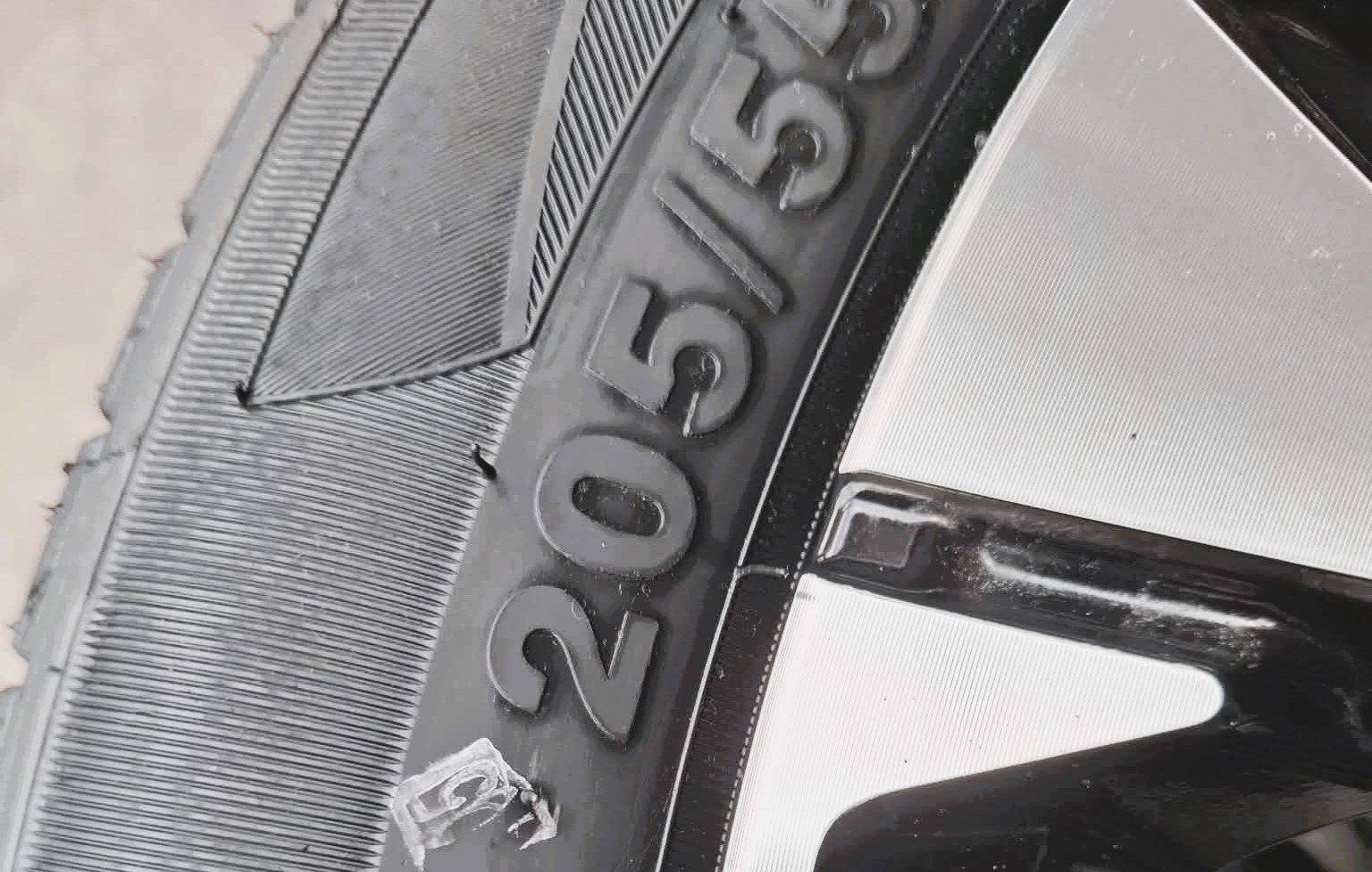
A 205/55R17 tire has an Overall Diameter of approximately 25.9 inches, a Section Width of 8.1 inches, and a Sidewall Height of 4.4 inches. This tire size is designed to fit a 17-inch rim.
-
Overall Diameter: 25.9 inches
-
Section Width: 8.1 inches
-
Sidewall Height: 4.4 inches
-
Rim Diameter: 17 inches
-
Circumference: 81.3 inches
These tires are commonly used on compact sedans, hybrids, and small crossovers (such as the Honda Civic, Mini Cooper Countryman, and Volkswagen Jetta), providing a balanced blend of ride comfort, fuel efficiency, and all-season traction.
Top Questions (With Answers)
Based on extensive analysis of automotive communities and technical inquiries, here are the top questions regarding the 205/55R17 tire size.
1. What are the exact dimensions of a 205/55R17 tire in inches?
The tire has a section width of approximately 8.07 inches, a sidewall height of 4.44 inches, and a total overall diameter of 25.88 inches.
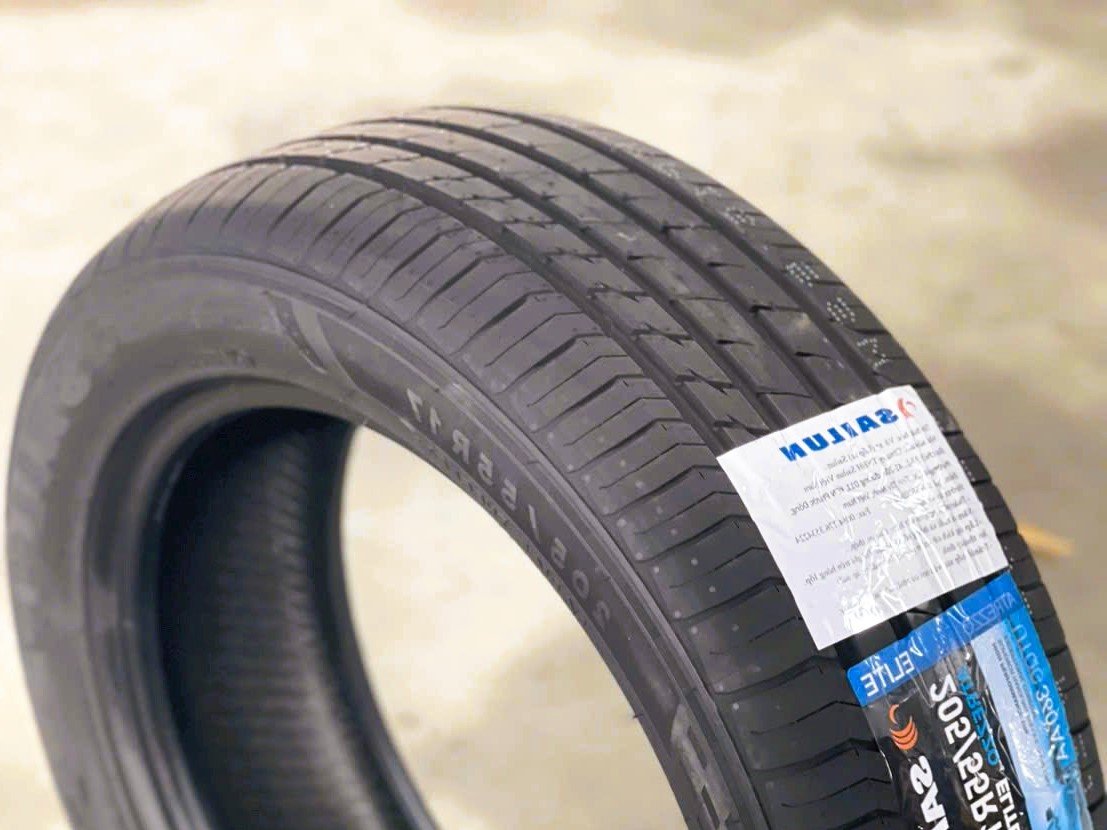
2. Is an 8-inch wide rim safe for 205/55R17 tires?
Generally, no. The European Tyre and Rim Technical Organisation (ETRTO) recommends a rim width range of 5.5 to 7.5 inches for this tire size. Mounting it on an 8-inch rim causes a “stretched” fitment, which increases stress on the tire bead and exposes the rim to curb damage.
3. What is the recommended rim width for this tire size?
The safest and most functional rim width range for a 205/55R17 tire is between 5.5 inches and 7.5 inches.
4. Can I replace 205/55R17 with 225/50R17?
Yes, this is a common swap. The 225/50R17 has a total diameter of 25.86 inches, which is nearly identical to the 205/55R17’s 25.88 inches. This allows for a wider contact patch without significantly altering speedometer readings, provided your rims are wide enough (at least 6-7 inches) to accommodate the 225mm width.
5. Which winter tire is better: Blizzak DM-V2 or Michelin X-Ice Snow?
Both are top-tier choices frequently debated in enthusiast communities. The choice often comes down to specific driving conditions, but both provide superior cold-weather performance compared to all-season tires.
6. Is downsizing from 215/55R17 to 205/55R17 for winter a good idea?
Yes. Downsizing to a narrower tire like the 205/55R17 is a recommended strategy for winter driving.
7. Why are narrower tires considered better for winter driving?
A narrower tire (205mm) exerts higher pressure per square inch on the road surface compared to a wider tire. This increased specific pressure allows the tire to cut through slush and snow to reach the pavement more effectively, rather than “floating” on top of it.
8. Can I use 205/55R17 on a Gen 5 Toyota Prius (Stock 195/60R17)?
Many owners consider this due to the scarcity of the OEM 195/60R17 size. While physically possible on the stock 17×6.5 wheels, the diameter difference must be checked to ensure it stays within safe variance levels to avoid speedometer errors.
9. Can I use 205/50R17 if 205/55R17 is out of stock?
It is possible but not ideal. The 205/50R17 is smaller in diameter (25.07″ vs 25.88″), leading to a 3-4% speedometer error and a reduction in ride height. This pushes the vehicle to the edge of acceptable industry variance.
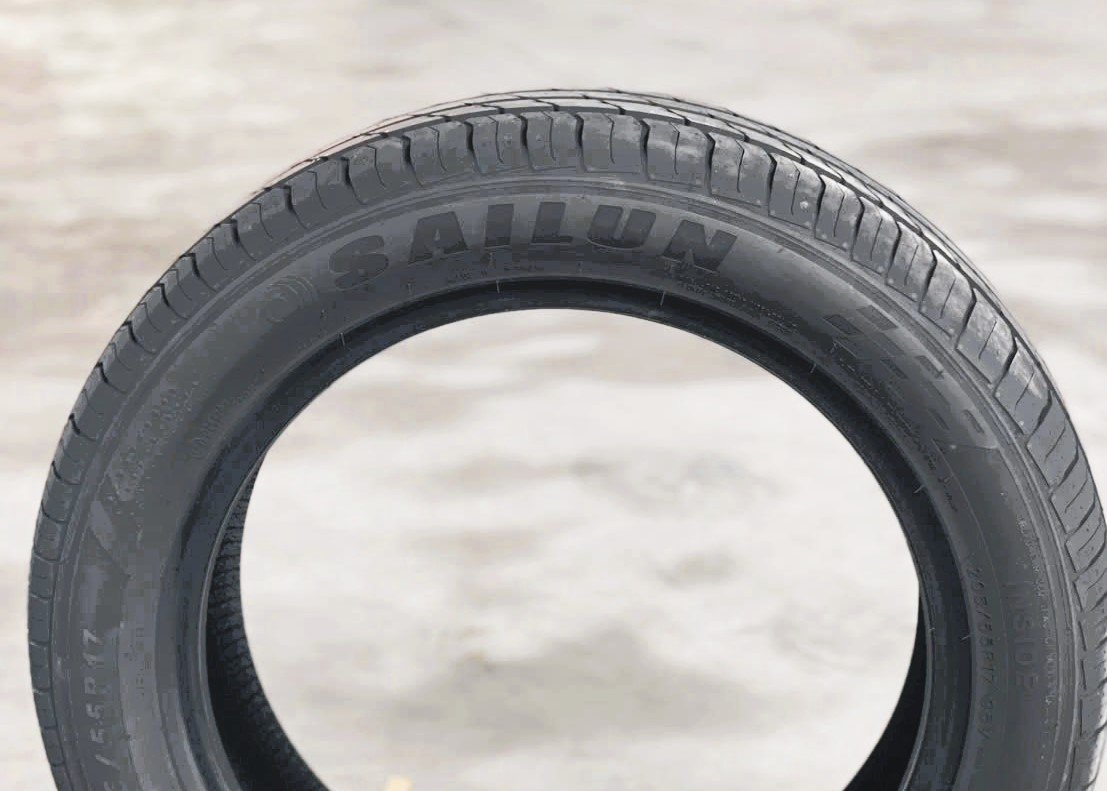
10. Will my speedometer be off if I change sizes?
Yes. If you switch to a smaller diameter tire (like 205/50R17), your speedometer will read higher than your actual speed. If you switch to a larger diameter (like 215/55R17), it will read lower than your actual speed.
11. Do I need to recalibrate my speedometer after changing tire sizes?
For significant changes, yes. Modern cars use wheel speed sensors to calculate data. While the car cannot “figure it out” automatically, tools like VCDS can be used (e.g., on VW Jettas) to manually update the tire circumference constants in the ECU to correct speed and odometer readings.
12. Will a 205/55R17 fit in a spare tire well designed for 205/50R17?
This is a valid concern. The 205/55R17 is nearly 0.8 inches larger in diameter than the 50-series tire. In tight spare tire wells, this extra height may prevent the trunk floor from sitting flush.
13. Can I have R18 tires in the front and R17 tires in the back (staggered) on an AWD?
No, unless the overall tire diameters are matched perfectly. AWD systems require all four wheels to rotate at the same speed. Mismatched diameters will trick the system into detecting a loss of traction, potentially causing mechanical overheating or damage to the differential.
14. Is it okay to just replace the rear tires on an AWD vehicle?
Generally, no. Replacing only two tires can create a diameter variance between the new (full tread) and old (worn tread) tires. On sensitive AWD systems, this difference can be enough to cause system faults.
15. Should I choose premium all-weather tires or a cheaper alternative size (e.g., Nokian 215/50R17)?
This is a common economic trade-off. While a premium tire in the correct size (like the Michelin CrossClimate2) offers the best specific performance, some users opt for slightly different sizes (like 215/50R17) from reputable brands like Nokian to save money. However, maintaining the correct OEM size is always the safest bet for warranty and insurance purposes.
Our Observation
Based on the research and consumer inquiries, the 205/55R17 occupies a unique “Goldilocks” zone in the current market.
-
Comfort vs. Sport: The “55” aspect ratio provides 4.44 inches of sidewall, offering superior impact absorption against potholes compared to lower-profile 45-series tires. It is the preferred choice for commuters who prioritize ride quality over raw cornering stiffness.
-
Efficiency: The 8.07-inch width is narrow enough to reduce aerodynamic drag and rolling resistance, making it ideal for hybrids and EVs where range is paramount.
-
Winter Utility: It is an excellent candidate for winter downsized setups, cutting through snow better than wider alternatives while protecting rims from hidden hazards.
While enthusiasts may be tempted to modify this size for aesthetic reasons (fitting it on wide rims) or availability issues (swapping to 50-series), the 205/55R17 is engineered for a specific balance of safety and efficiency.
Deviating from this size—especially on AWD vehicles or sensitive electronic platforms—requires careful calculation of diameter variances to avoid long-term mechanical issues. Stick to the 3% diameter variance rule and ensure your rim width stays between 5.5 and 7.5 inches for the optimal experience.