
235/45R19 Tire Size in Inches
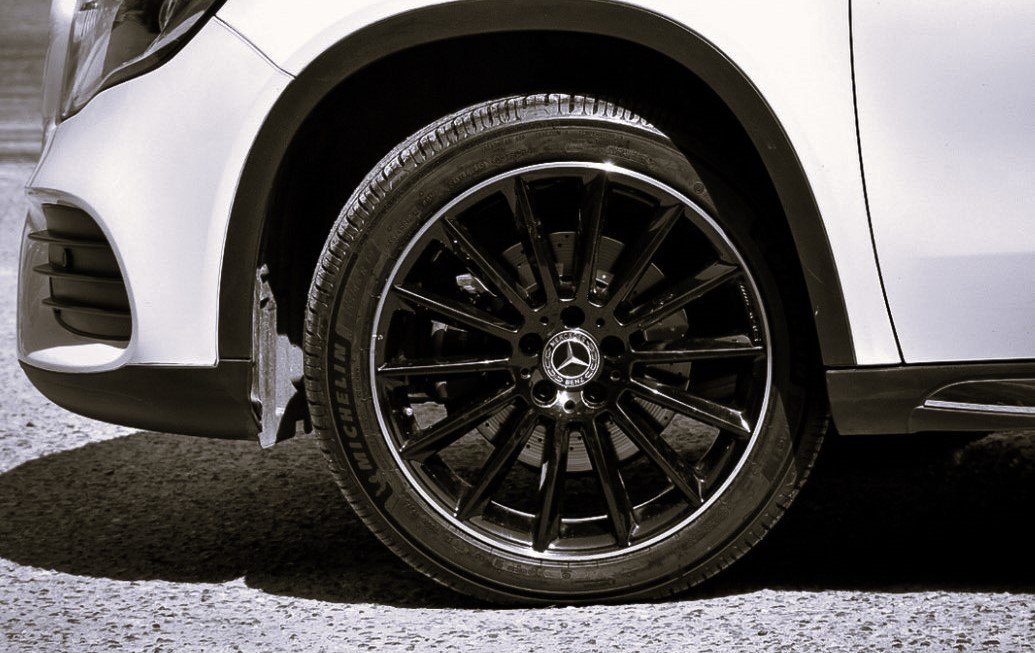
Among the myriad of specifications available today, the 235/45R19 tire size has emerged as a significant point of discussion. It represents a specific category of “over-sized” crossover and luxury sedan tires, offering a substantial footprint that balances visual appeal with performance.
What Do Those Numbers Mean?
To truly understand this tire, we must convert the metric nomenclature into imperial units (inches), which requires a specific mathematical breakdown.
- 235 (Section Width): This is the linear distance between the outer sidewalls of the inflated tire, excluding decorative ribs. In this case, the width is 235 millimeters.
- 45 (Aspect Ratio): This number is a percentage, not a direct measurement. It dictates that the sidewall height is 45% of the section width.
- R (Construction): This stands for Radial, the standard construction method for modern passenger vehicles.
- 19 (Rim Diameter): This indicates the tire is designed to fit a wheel with a diameter of 19 inches.
A 235/45R19 tire has an overall diameter of approximately 27.3 inches, a section width of 9.3 inches, and a sidewall height of 4.2 inches. This tire is designed to fit a 19-inch rim.
- Overall Diameter: 27.3 inches (693 mm)
- Section Width: 9.3 inches (235 mm)
- Sidewall Height: 4.2 inches (106 mm)
- Rim Diameter: 19 inches (483 mm)
- Circumference: 85.8 inches (2,179 mm)
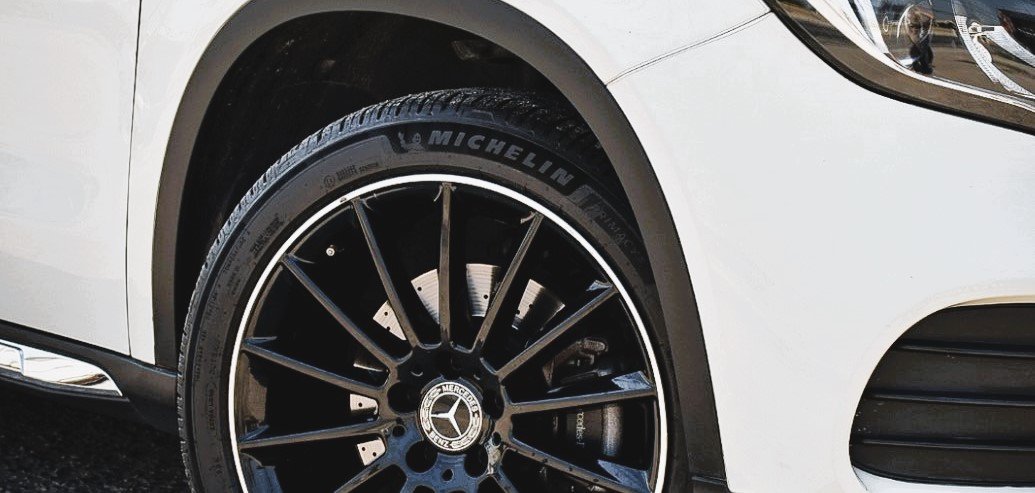
These tires are commonly used on Compact SUVs and Crossovers (e.g., Ford Escape, Jeep Compass, Mercedes-Benz GLA), providing a balance of handling stability and ride comfort.
Top 15 Questions (With Answers)
Based on extensive research into consumer inquiry patterns on digital forums, here are the top 15 questions asked by potential purchasers and existing owners, answered with technical accuracy.
1. Does the factory size of 235/45R19 mean it is the only size I can safely buy?
No, it is not the only size, but it is the calibrated standard. While you can technically fit other sizes, deviating from this specification affects your speedometer and odometer. Any change should ideally stay within a 3% diameter variance to avoid system errors.
2. If my rims are 19 inches, can I downsize the wheel assembly for winter?
Yes. You are not restricted solely to 19-inch rims. A common strategy, especially for winter, is to downsize to 17-inch or 18-inch wheels (e.g., using a 235/55R17 tire). This often saves money and provides a taller sidewall for better snow traction and pothole resistance.
3. Will a 235/45R19 tire fit a rim that currently has 235/40R19 tires?
Physically, yes, it will fit the rim. However, the 235/45R19 is approximately one inch taller in total diameter than the 235/40R19. You must verify that your wheel well has enough clearance to accommodate this extra height without rubbing.
4. What are the rim width requirements for a 235/45R19 tire?
Generally, a rim width between 7.5 and 9 inches is recommended. While it can technically mount on a 7.5-inch wheel, many enthusiasts prefer an 8-inch minimum width to provide better sidewall support and handling characteristics.
5. Will moving from a 40-series to a 45-series tire cause rubbing?
It is a risk. Increasing the aspect ratio to 45 adds about 0.46 inches of sidewall height (nearly an inch of total diameter). On cars with tight tolerances, this can cause the tire to rub against fender liners or suspension struts, particularly during full-lock turns or over bumps.
6. Is it safe to run these tires on stock suspension without a lift kit?
For most crossovers like the Ford Escape, yes. However, for sedans or hatchbacks like the VW Golf, the added height might cause “fender grind” or interfere with suspension components unless modifications are made.
7. Will 235/45R19 tires fit a Volkswagen Golf GTI or R without issues?
This is a high-risk fitment. These vehicles often have strict clearances. A taller tire may interfere with the Dynamic Chassis Control (DCC) settings or rub against the suspension strut. Owners of these specific platforms often need to verify clearances meticulously.
8. Can I mix different brands or tread patterns if I replace just one tire?
It is highly discouraged. Different tread patterns and rubber compounds have different grip levels. Furthermore, if you have an AWD vehicle, even slight differences in tread depth or diameter between brands can damage the differential or confuse traction control systems.
9. Will upsizing to 235/45R19 provide a smoother ride than stock low-profile tires?
Generally, yes. The shift is often framed as a defensive measure against poor ride quality. The additional sidewall acts as a cushion, potentially absorbing road imperfections better than a shorter 40-series tire.
10. Can a wider 235mm tire “fight against potholes” better?
Yes. The combination of the 235mm width and the taller 45-series sidewall is viewed as a necessary buffer. It offers more rubber between the rim and the road, reducing the likelihood of expensive alloy wheel damage from potholes.
11. Does the added sidewall height reduce road noise (NVH)?
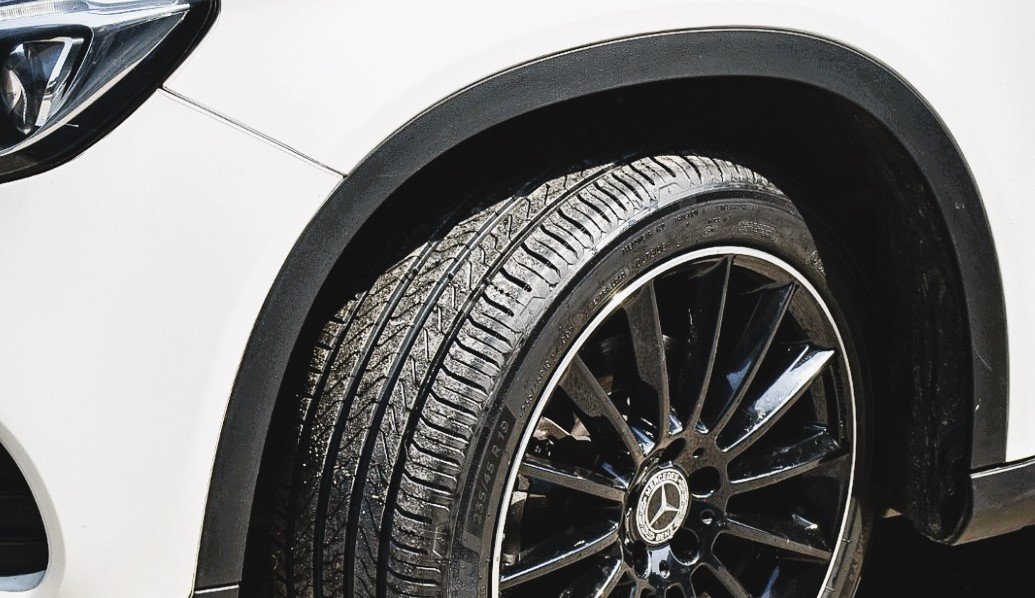
It can, but it depends on the tire model. While the taller sidewall can absorb vibration, the tread pattern (e.g., Michelin CrossClimate 2 vs. Pirelli Scorpion) plays a larger role in whether the tire will “howl” or remain quiet at highway speeds.
12. How will this tire size affect my Fuel Economy (MPG)?
A larger, heavier tire like the 235/45R19 will likely degrade fuel economy slightly. The increased rotational mass and diameter require more energy to turn, which can result in a noticeable drop in MPG compared to smaller, lighter stock options.
13. Why are 235/45R19 tires so hard to find in stock?
This size is often considered a “weird” or non-standard size in the secondary market. Many local shops do not carry it in immediate inventory, leading to “nightmare scenarios” where drivers face 2-3 week waits for replacements.
14. Will using this size void my manufacturer’s warranty?
There is no “concrete evidence” that it automatically voids a warranty, but dealerships may use non-standard tire sizes as a reason to deny suspension or drivetrain claims. It is safer to stick to the size listed on your door placard if warranty preservation is a priority.
15. Will a discrepancy in load rating trigger the TPMS light?
Directly, no, but it is a safety issue. TPMS monitors pressure, not load rating. However, modern vehicles are sensitive systems; a tire that is “too tall” (over 3% difference) can throw off wheel-speed sensors, potentially triggering TPMS or AWD system alerts.
Reviewing the 235/45R19
Our analysis of the research reveals that the 235/45R19 is more than just a rubber component; it is a focal point of tension between aesthetic desire and logistical reality.
The “Scarcity Premium” The most glaring observation is the difficulty of procurement. Unlike common sizes (e.g., 225/65R17), the 235/45R19 is frequently a special-order item. This creates a vulnerability for owners: a simple blowout in a remote area can result in weeks of downtime. We strongly recommend that anyone running this size carries a full-size matching spare, as relying on local shops to have this specific specification in stock is a gamble.
The “Comfort vs. Clearance” Trade-off There is a distinct split in consumer sentiment.
- Ford Escape/Crossover Owners: View this size as a minimum baseline for comfort. Many actually seek to go even larger (e.g., 245/45R19) to escape the “stiff” ride of factory 19-inch wheels.
- Sedan/Hatchback (VW/Honda) Owners: View this size as a massive “upgrade” for rim protection. However, they face the stiffest technical penalties, utilizing online calculators to ensure they stay within that critical 3% tolerance to avoid rubbing or AWD damage.
The data suggests that sticking to 235/45R19 for winter is financially inefficient. The “smart” money moves to a 235/55R17 setup for the cold months. This downsizing strategy offers superior pothole resistance and lower costs, bypassing the scarcity and price premium of the 19-inch variant.