
Tire Size 255/35R19 in inches
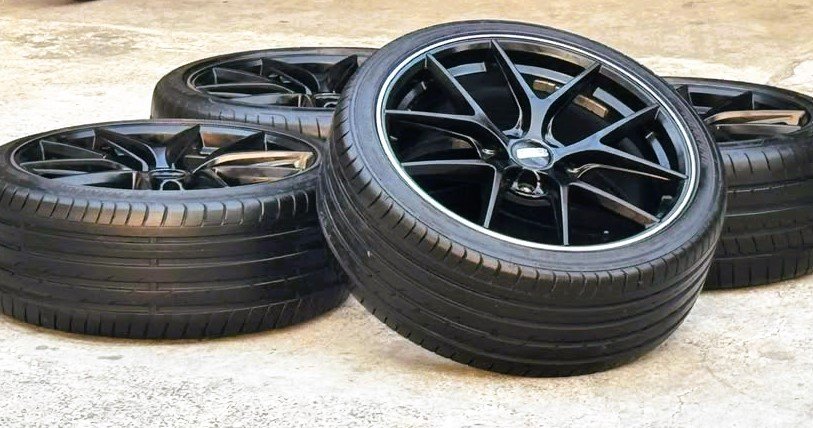
Among performance enthusiasts and luxury vehicle owners, the 255/35R19 size has emerged as a focal point for discussion, particularly regarding its imperial conversion, fitment limitations, and performance characteristics compared to alternative sizes.
Within digital forums like Reddit, consumers engage in highly technical discourse prior to purchase, seeking to understand the granular implications of this specific tire profile.
What Do Those Numbers Mean?
Understanding the “255/35R19” code is fundamental to grasping why fitment questions arise.
- 255 (Section Width): This number indicates the tire’s width in millimeters. This wide footprint provides substantial grip but requires adequate clearance within the wheel well.
- 35 (Aspect Ratio): This is the most misunderstood figure. It is not a measurement in millimeters or inches; it is a percentage. It means the sidewall height is 35% of the section width.
- R (Construction): Stands for Radial, the standard construction method for modern passenger tires.
- 19 (Rim Diameter): Indicates that this tire is engineered exclusively for a 19-inch wheel.
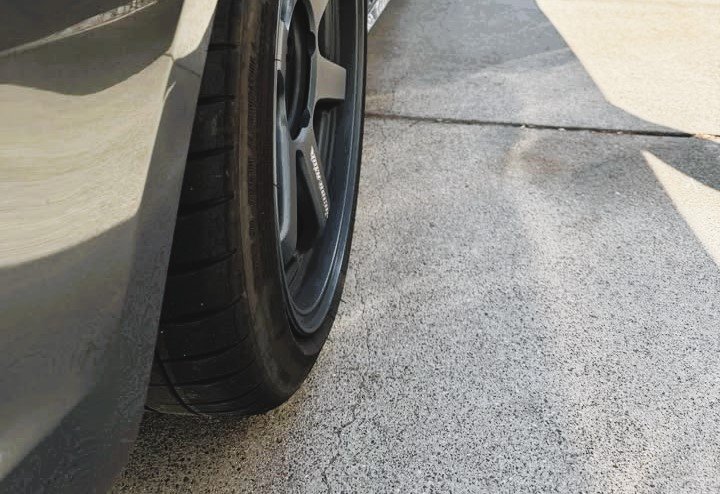
A 255/35R19 tire has an overall diameter of approximately 26.0 inches, a section width of 10.0 inches, and a sidewall height of 3.5 inches. Designed to fit a 19-inch rim, this specific size offers a low-profile aesthetic that balances width for traction with a moderate sidewall for steering response.
- Overall Diameter: 26.03 inches (661.1 mm)
- Section Width: 10.04 inches (255 mm)
- Sidewall Height: 3.51 inches (89.25 mm)
- Rim Diameter: 19 inches (482.6 mm)
- Circumference: 81.78 inches (2077 mm)
These tires are commonly used on luxury sports sedans and coupes (such as the Audi S4, BMW 3-Series, and Genesis G70), providing enhanced lateral grip and a responsive, sporty driving feel.
Questions People Are Searching
Based on a forensic analysis of automotive communities and technical inquiries, these are the top 15 questions prospective buyers ask about the 255/35R19 tire size.
1. What is 255/35R19 in inches?
-
Answer: The total diameter is approximately 26.03 inches. The tire is 10.04 inches wide, and the sidewall stands roughly 3.51 inches tall.
2. What is the exact diameter and circumference?
-
Answer: The theoretical diameter is 26.03 inches (661 mm), and the circumference is approximately 81.78 inches (2,077 mm). Note: Actual measurements can vary slightly by manufacturer and tread depth.
3. Will 255/35R19 tires fit my car without rubbing?
-
Answer: This depends entirely on your vehicle’s offset and suspension height. On cars like the Genesis G70 or Audi S4, this size typically fits without rubbing on stock suspension. However, pushing the tire out with spacers or lowering the car can cause the tire to contact the fender liner during sharp turns or suspension compression.
4. Can I use 255/35R19 on AWD cars with a staggered setup?
-
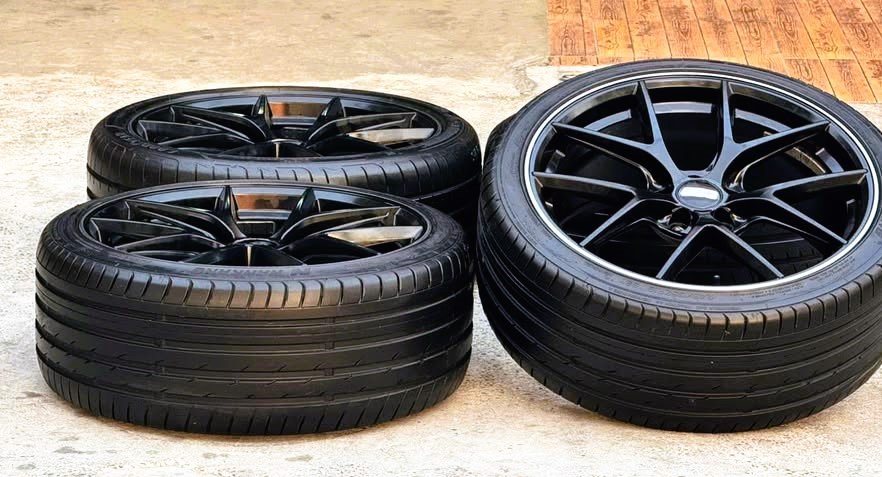
Answer: Yes, but only if the rolling diameters of the front and rear tires are within the manufacturer’s tolerance (usually <1%). Many factory setups use 225/40R19 (Front) and 255/35R19 (Rear) because their diameters are nearly identical (26.09″ vs. 26.03″), a difference of only 0.2\%.
5. What is the “0.1-inch difference” rule for AWD?
-
Answer: The “0.1-inch” rule refers to the maximum safe variance in tire diameter for sensitive AWD systems. A difference greater than roughly 3% can trick the system into thinking wheels are slipping, causing the center differential to overheat or the traction control to cut power.
6. Can I mix new and worn tires on an AWD system?
-
Answer: Generally, no. A new 255/35R19 has 10/32″ of tread, while a worn one might have 3/32″. This difference creates a diameter variance that can stress AWD components. It is recommended to replace all four tires or “shave” the new tire to match the tread depth of the old ones.
7. Will adding spacers cause rubbing with this tire size?
-
Answer: Adding spacers changes the scrub radius. While 255/35R19 fits many cars natively, pushing the tire outward with spacers often leads to “poke,” causing the tire to rub against the fender lip when the suspension compresses (e.g., hitting a dip on the highway).
8. Is a 255mm tire too wide for an 8.5-inch rim?
-
Answer: An 8.5-inch rim is the minimum recommended width for a 255mm tire. It fits, but the sidewall may bulge slightly (“meaty” look), potentially reducing steering sharpness compared to a 9.5-inch rim, which provides a slight stretch and stiffer sidewall response.
9. How is the ride quality of a 35-series profile?
-
Answer: The ride is generally firm. With only 3.51 inches of sidewall cushioning, you will feel road imperfections more acutely than with a 40 or 45-series tire. Owners of sport suspensions (e.g., Audi Black Optic) often describe the ride as “communicative” but potentially harsh on broken pavement.
10. Are 255/35R19 tires prone to pothole damage?
-
Answer: Yes. The low profile leaves little margin for error. A significant pothole impact can compress the sidewall entirely, pinching it against the rim and causing a blowout or bending the wheel.
11. Michelin Pilot Sport 4S vs. Continental DWS06: Which is better?
-
Answer: Michelin PS4S: The “gold standard” for dry grip and steering precision. Best for summer and spirited driving. Continental DWS06+: The community favorite for daily driving. It offers superior wet/snow performance and a softer ride, though it may become noisier as it wears.
12. Are budget tires safe for this high-performance size?
-
Answer: While budget brands (Kumho, Nexen) offer decent value ($150-$200 range), users generally advise against “cheap” tires for high-torque RWD cars. Premium tires are critical for managing the power output and braking distances of the vehicles that typically use this size.
13. How does this size affect my speedometer accuracy?
-
Answer: If the new diameter is larger, your speedometer will read lower than your actual speed. For example, a 3.8% increase in diameter means that at a displayed 60 mph, you are actually traveling at roughly 62.3 mph.
14. Can I use 255/35R19 tires in the winter?
-
Answer: You can, but it is not optimal. A 255mm wide tire tends to “float” on top of deep snow rather than digging in. Dedicated winter tires (like Blizzaks) help, but the width is a disadvantage in slush and powder.
15. Should I downsize to 18-inch wheels for winter?
-
Answer: Yes. The overwhelming consensus is to downsize to an 18-inch wheel (e.g., 225/45R18). This provides a narrower footprint for cutting through snow and a taller sidewall to protect rims from hidden winter potholes.
Our Observation
Reviewing the data from the Reddit-centric forensic analysis, the 255/35R19 tire specification occupies a unique position in the automotive world. It is the “gateway” size for high-performance aesthetics—wide enough to look aggressive and offer serious lateral grip, yet common enough to be available in a vast array of compounds.
The “Sweet Spot” Compromise:
We observe that this size is effectively a compromise between track-ready performance and street-legal compliance. The $3.51 \text{-inch}$ sidewall is the dividing line for comfort; anything shorter (e.g., 30-series) becomes punishing for daily driving, while anything taller (40-series) begins to lose that sharp, responsive turn-in feel that enthusiasts crave.
The “Analysis Paralysis”:
A significant finding in our research is the consumer anxiety surrounding this purchase. Because a set of premium Michelin or Continental tires in this size can exceed $1,200, buyers are hyper-vigilant about fitment. The “will it rub” questions are not just about mechanics—they are about financial risk.
If you live in an area with well-maintained roads, the 255/35R19 is an exceptional choice for upgrading the handling and look of vehicles like the Audi A5, BMW 3-Series, or Genesis G70. However, for those in regions with poor infrastructure or heavy winter seasons, the community data strongly suggests that this size should be strictly a “Three-Season” setup, with a downsized 18-inch set reserved for winter duties to preserve both your rims and your ride quality.